Revheim Bay
United States, South Dakota
About Revheim Bay
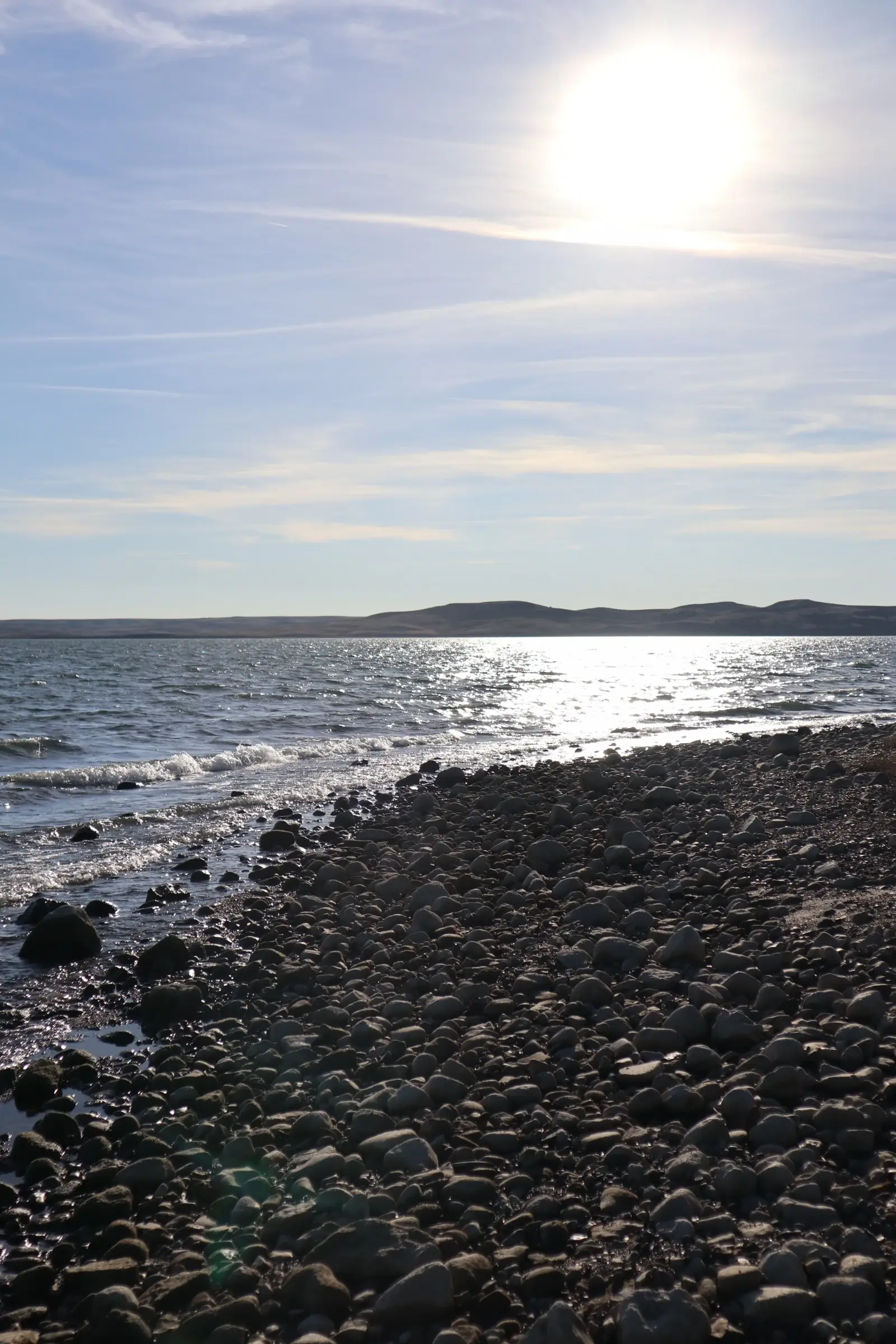
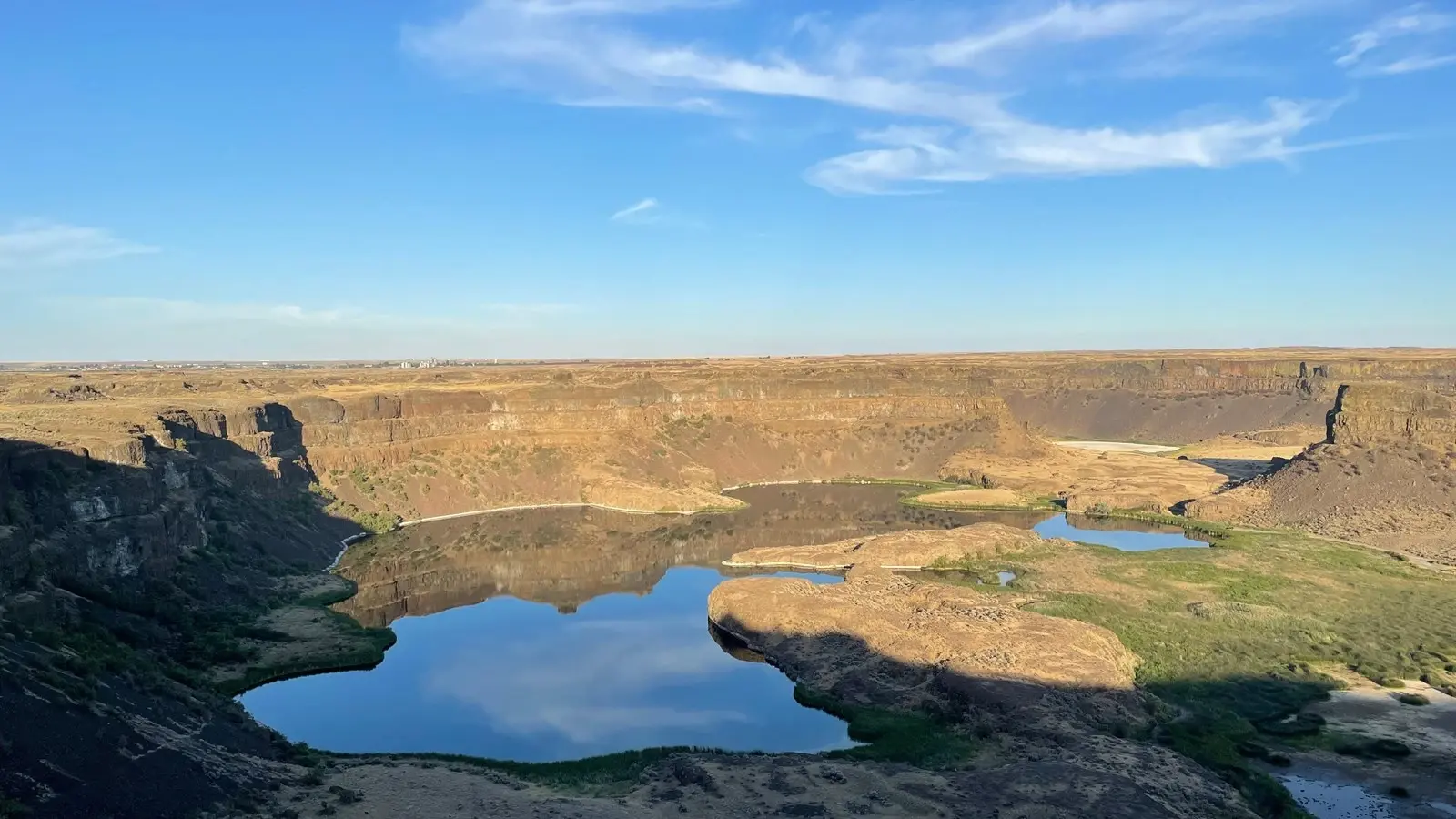
Revheim Bay Recreation Area is a small state recreation area on the western shore of Lake Oahe near Pierre, the capital of South Dakota. Lake Oahe, one of the largest reservoirs in the United States at over 230 miles long, was created by Oahe Dam on the Missouri River. Revheim Bay provides boat access and camping on the massive reservoir, serving the Pierre community and visitors drawn to Lake Oahe's renowned walleye fishery. The area's name reflects the Scandinavian heritage of many European-American settlers in the upper Missouri River region.
Wildlife Ecosystems
Lake Oahe supports one of the premier walleye fisheries in North America, along with populations of northern pike, smallmouth bass, chinook salmon, and various panfish. The lake's vast size and varied habitat structures attract diverse wildlife. Bald eagles are common along the lake year-round, with winter concentrations near open water below Oahe Dam. White pelicans, cormorants, and western grebes populate the lake during summer. The surrounding prairie grasslands support mule deer, pronghorn, ring-necked pheasants, and sharp-tailed grouse. Prairie dog colonies in the area attract raptors and provide habitat for burrowing owls.
Flora Ecosystems
The vegetation around Revheim Bay is characteristic of the northern mixed-grass prairie that dominates central South Dakota. Western wheatgrass, green needlegrass, blue grama, and buffalograss compose the grassland matrix. Cottonwood, willow, and silver buffaloberry grow along the lake shore and drainages. The lake's fluctuating water levels create extensive exposed shoreline zones that are colonized by annual plants during draw-down periods. Russian olive, an invasive species that has spread extensively along the Missouri River reservoir system, is present and targeted for control. Sagebrush occurs on drier, eroded slopes near the lake.
Geology
Lake Oahe was created by Oahe Dam, one of the largest rolled-earth dams in the world, completed in 1962. The reservoir inundated over 370,000 acres of Missouri River bottomland behind a dam constructed in the Pierre Shale, a thick Cretaceous-age marine formation. The surrounding landscape in the Pierre area is characterized by rolling grasslands on Pierre Shale hills and bentonite-rich soils that become extremely sticky when wet. The Missouri River trench in this area was carved by glacial meltwater during the Pleistocene, creating the broad valley that the reservoir now fills.
Climate and Weather
The area has a semi-arid continental climate with extreme temperature swings. Summer highs average in the upper 80s to low 90s°F, while winter lows regularly reach well below zero. Wind is a constant feature, with the open prairie and large lake surface amplifying wind effects. Lake Oahe can develop dangerous wave conditions quickly during windstorms. Annual precipitation averages about 17 inches, among the lowest in eastern South Dakota. Severe thunderstorms, including supercells producing tornadoes and large hail, are possible from May through August. Winters bring blizzards and extreme wind chill.
Human History
The Missouri River valley near Pierre has been home to indigenous peoples for at least 10,000 years. The Arikara established substantial earth lodge villages along the river, and the Lakota Sioux later dominated the region. Pierre was established in 1880 as a railroad town and selected as the state capital in 1889. The construction of Oahe Dam in the 1950s and 1960s was one of the most consequential and controversial events in South Dakota history, flooding over 200,000 acres of tribal land on the Cheyenne River and Standing Rock Sioux Reservations, displacing thousands of Native American people and destroying irreplaceable cultural sites.
Park History
Revheim Bay Recreation Area was developed to provide public access to Lake Oahe near the state capital. The recreation area is one of many access points along the massive reservoir managed by the Corps of Engineers and South Dakota Game, Fish & Parks. Its proximity to Pierre makes it one of the more accessible recreation sites on the lake, serving both local residents and visitors to the capital city.
Major Trails and Attractions
Fishing is the primary attraction, with Lake Oahe's walleye fishery drawing anglers from across the country. The bay's protected waters provide good boat launching conditions even when the main body of the lake is wind-swept. Camping facilities accommodate fishing-focused visitors. The lake's enormous size and scenic open-water vistas create a landscape experience unlike anything else in the northern Great Plains. Pierre itself offers additional attractions including the South Dakota Cultural Heritage Center and the state capitol building.
Visitor Facilities and Travel
The recreation area offers a boat ramp, camping facilities, and basic amenities. Pierre, immediately nearby, provides full services including lodging, dining, and supplies. Pierre Regional Airport offers commercial air service. Pierre is located on U.S. Highways 14 and 83, roughly in the geographic center of the state. The recreation area's proximity to the capital makes it easily accessible for both planned visits and spontaneous outings.
Conservation and Sustainability
Management of Revheim Bay is tied to the broader conservation challenges of Lake Oahe and the Missouri River system. The walleye fishery is managed through stocking, harvest regulations, and habitat monitoring. Invasive species, particularly Russian olive along the shoreline, are targeted for removal. Lake Oahe's water levels, managed by the Corps of Engineers, fluctuate in response to upstream inflows, downstream needs, and competing demands for flood control, navigation, irrigation, and recreation. These water level decisions profoundly affect the recreational value and ecological health of the reservoir and its shoreline habitats.
Photos
1 photo