Nantucket
United States, Massachusetts
About Nantucket
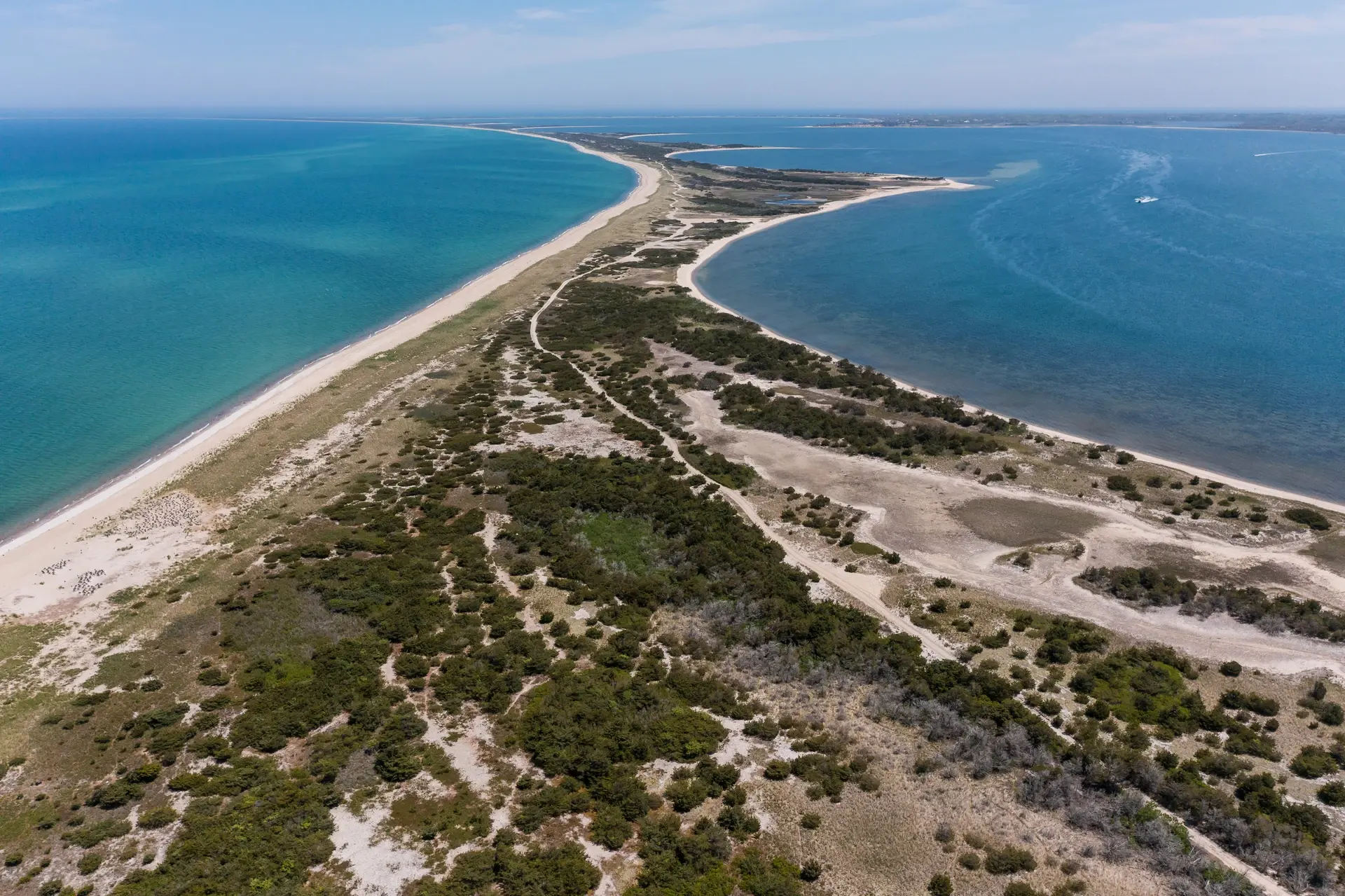
Nantucket National Wildlife Refuge protects 21 acres at the northern tip of Nantucket Island, preserving critical habitat for shorebirds and providing public access to remote coastal habitat.
Wildlife Ecosystems
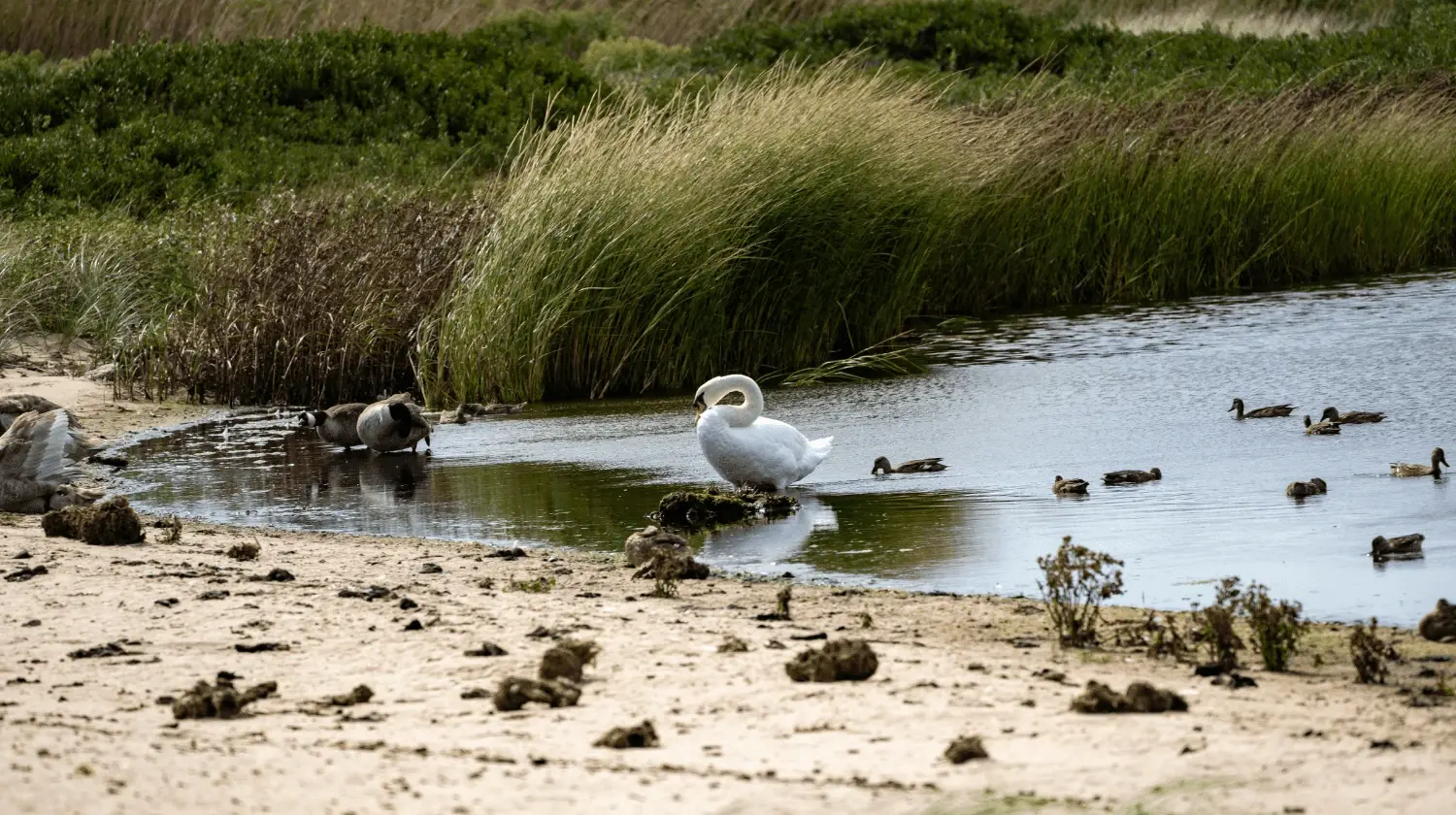
The refuge protects important shorebird nesting habitat. Piping plovers and least terns nest on protected beaches. Various migratory birds use the area.
Flora Ecosystems
Barrier beach and dune vegetation including beach grass and coastal shrubs characterize the refuge.
Geology
The refuge occupies dynamic barrier beach habitat at Nantucket's Great Point, continuously reshaped by waves and storms.
Climate and Weather
The exposed Atlantic location produces harsh maritime conditions with persistent wind and salt spray.
Human History
The historic Great Point Lighthouse has guided mariners since 1784. The current structure replaced one destroyed by storms.
Park History
The refuge was established to protect critical shorebird habitat. Management focuses on protecting nesting birds.
Major Trails and Attractions
The walk to Great Point provides exceptional birding and remote beach experience. The lighthouse offers historical interest.
Visitor Facilities and Travel
No facilities. Access is by foot or oversand vehicle with permit. Seasonal closures protect nesting birds.
Conservation and Sustainability
Intensive shorebird management protects nesting birds. Climate adaptation considers projected habitat changes.
Photos
2 photos