Lucky Peak
United States, Idaho
About Lucky Peak
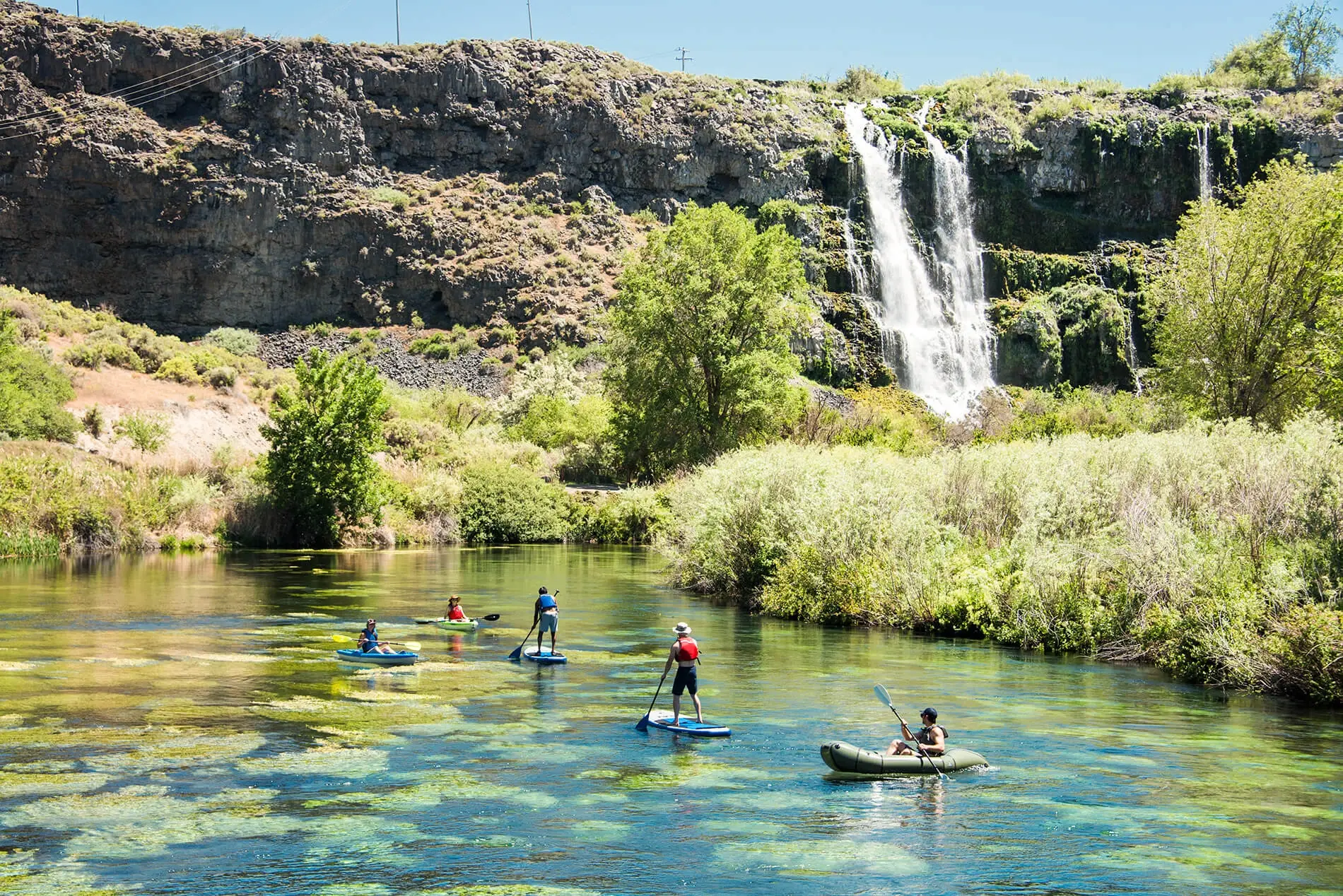
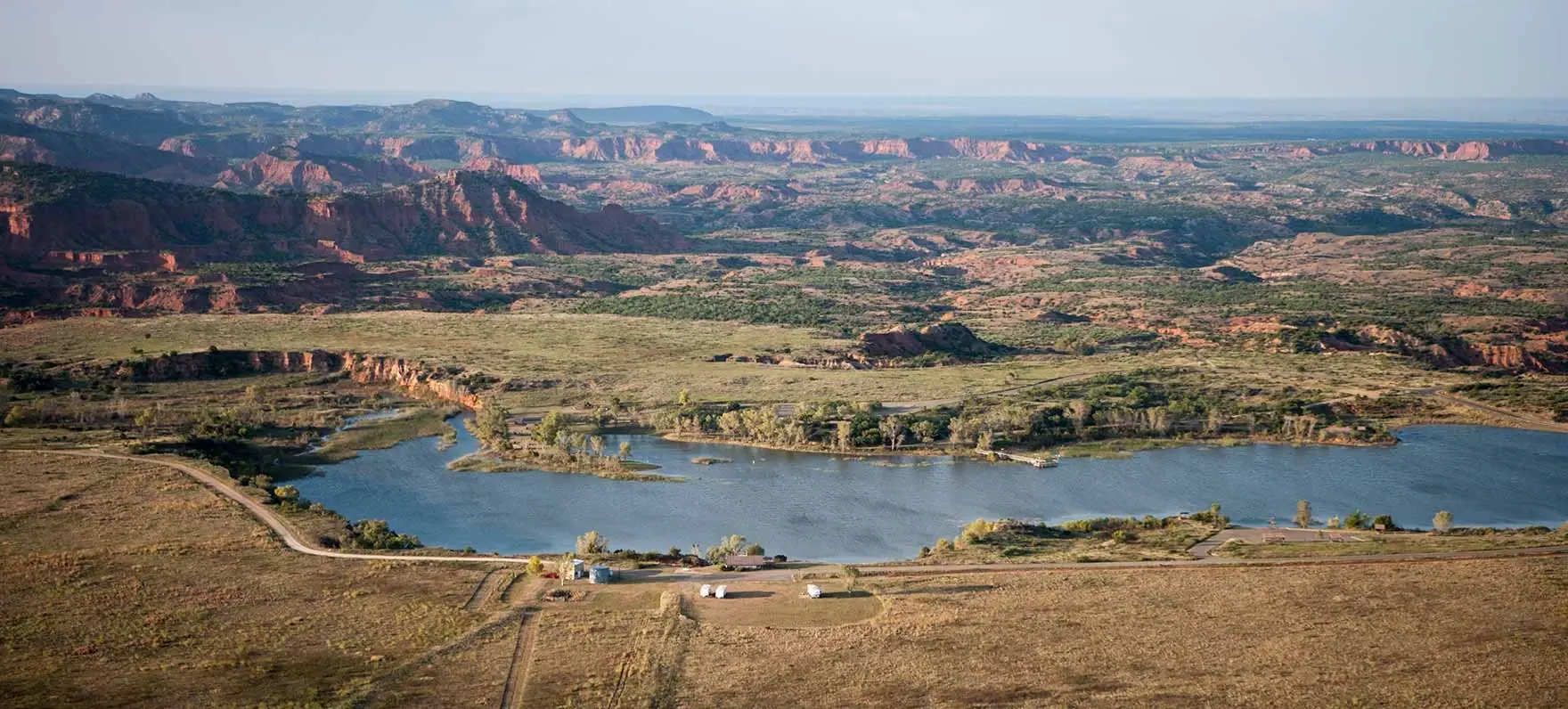
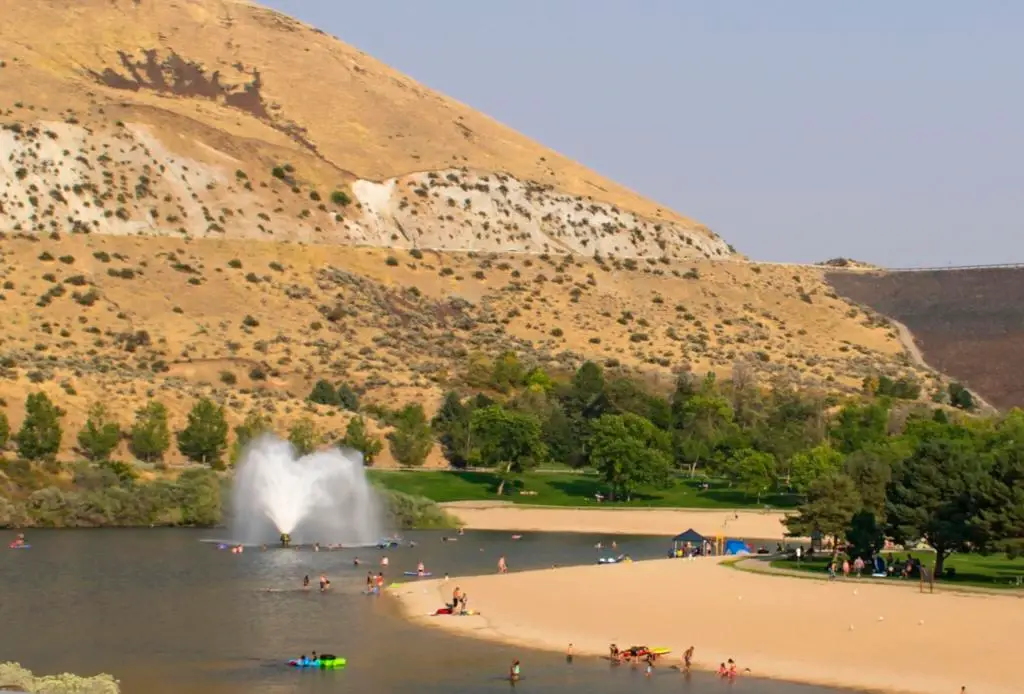
Lucky Peak State Park encompasses multiple recreation areas around Lucky Peak Reservoir, a 3,000-acre lake in the Boise River canyon just 10 miles east of downtown Boise. The park provides over 700,000 Treasure Valley residents with convenient access to water recreation, sandy beaches, and scenic canyon surroundings. Created by Lucky Peak Dam, the reservoir offers excellent fishing, boating, and swimming in the dramatic setting of the Boise River canyon, making it one of Idaho's most visited state parks.
Wildlife Ecosystems
Lucky Peak Reservoir and surrounding canyon habitats support wildlife adapted to both aquatic and upland environments. The reservoir contains populations of rainbow trout, kokanee salmon, smallmouth bass, and yellow perch. Mule deer inhabit the canyon slopes, while river otters and beaver live along the shorelines. Great blue herons wade in shallow coves, and various waterfowl utilize the reservoir. Red-tailed hawks, golden eagles, and prairie falcons hunt the canyon terrain. Western rattlesnakes occur in rocky areas during warm months.
Flora Ecosystems
The Boise River canyon surrounding Lucky Peak features vegetation typical of the transition zone between the Snake River Plain and higher mountains. Sagebrush and native bunchgrasses cover south-facing slopes, while Douglas fir, ponderosa pine, and riparian vegetation occupy cooler, moister sites. Bitterbrush and mountain mahogany provide browse for deer. The canyon's steep terrain creates diverse microclimates supporting varied plant communities. Riparian areas along inflowing streams support willows, cottonwoods, and alders. Spring wildflowers include arrowleaf balsamroot and various lupines.
Geology
Lucky Peak Reservoir occupies the Boise River canyon where the river cuts through the western edge of the Idaho Batholith. The canyon walls expose granitic rocks emplaced approximately 75-90 million years ago during the Cretaceous Period. Lucky Peak Dam, completed in 1955 by the U.S. Army Corps of Engineers, stands 340 feet high, creating the reservoir for flood control, irrigation storage, and recreation. The dam and Arrowrock Dam upstream form a coordinated system managing Boise River flows through the Treasure Valley.
Climate and Weather
Lucky Peak experiences a semi-arid climate moderated by elevation and canyon topography. Summers are hot with temperatures often exceeding 95 degrees Fahrenheit, making water recreation particularly popular. Winters are cold with temperatures around 30-40 degrees and occasional snow. The reservoir rarely freezes completely. Annual precipitation averages about 15 inches, higher than the valley floor due to orographic effects. Afternoon winds channeled through the canyon are common during summer. The park is accessible year-round with peak visitation during summer months.
Human History
The Boise River canyon has been utilized by indigenous peoples, including the Shoshone, for thousands of years. The canyon provided a travel corridor and fishing opportunities. Euro-American settlement of the Boise Valley began in the 1860s following gold discoveries in the Boise Basin. The Boise River's irrigation potential was recognized early, leading to construction of Arrowrock Dam in 1915 and Lucky Peak Dam in 1955. The dams transformed the Boise River, providing flood control and irrigation storage that enabled growth of the Treasure Valley.
Park History
Idaho developed recreation facilities at Lucky Peak Reservoir beginning in the 1960s as the Boise metropolitan area grew. The park has expanded to include multiple units: Sandy Point, Spring Shores Marina, and Discovery Park. Major improvements have enhanced swimming beaches, boat launches, and marina facilities. The park has become essential recreation infrastructure for the rapidly growing Treasure Valley, serving as the closest water recreation destination for most residents. Continued improvements address increasing visitation and evolving recreation needs.
Major Trails and Attractions
Sandy Point features the most popular swimming beach in the Boise area, with a large sandy shoreline, picnic facilities, and concessions. Spring Shores Marina provides full-service boating facilities including boat rentals, fuel, and a store. Discovery Park offers interpretive exhibits and programs. Fishing for trout, kokanee, and bass is popular throughout the reservoir. The Boise River below the dam provides blue-ribbon trout fishing and floating opportunities. The scenic canyon drive and connections to surrounding national forest lands extend recreation opportunities.
Visitor Facilities and Travel
Sandy Point offers day-use facilities including swimming beach, picnic areas, and concessions. Spring Shores Marina provides boat rentals, fuel, slips, and a store. Discovery Park includes interpretive facilities and group picnic areas. No camping is available within the park. The park is located 10 miles east of Boise via State Highway 21. Full services are available in Boise. The park is extremely busy on summer weekends and holidays; early arrival is recommended. Vehicle entrance fees apply at all units. The reservoir water level fluctuates based on irrigation demands.
Conservation and Sustainability
Management focuses on providing high-quality recreation while protecting water quality and canyon resources. The reservoir's primary purposes of flood control and irrigation storage determine water level management, creating challenges for recreation facilities and shoreline vegetation. Boater education programs address aquatic invasive species prevention. Vegetation management addresses erosion and fire risk in the canyon. The park coordinates with upstream and downstream land managers on watershed protection. Environmental education programs interpret the relationship between water management and community development in the arid West.
Photos
1 photo