International Parks
  • Explore
  • Map
  • Ratings
  • Review
  • Wiki
  • Suggest a Park
  • About
Log In
  1. Home
  2. United States Parks
  3. Lake Fausse Pointe

Quick Actions

Park SummaryView on MapUnited States WikiWiki HomeWrite ReviewReport an Issue

Nearby Parks

Attakapas19 kmAtchafalaya22 kmCypremort Point43 kmPalmetto Island56 kmWhite Lake Wetlands90 km

Platform Stats

23,798Total Parks
217Countries & Territories
Support Us
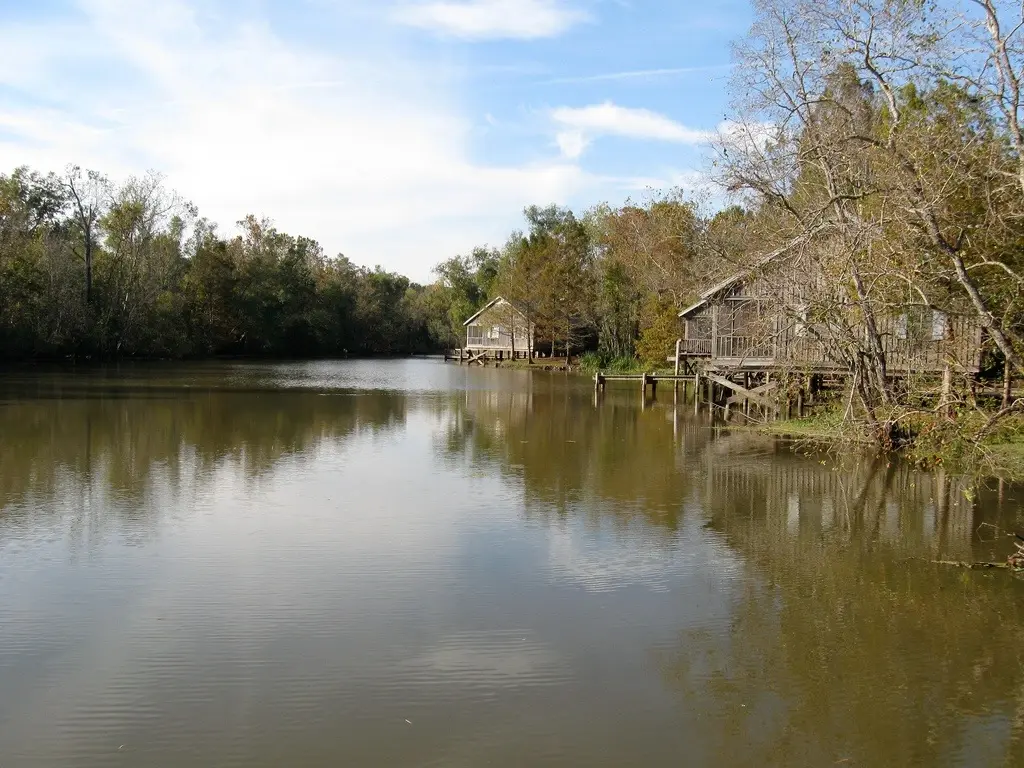
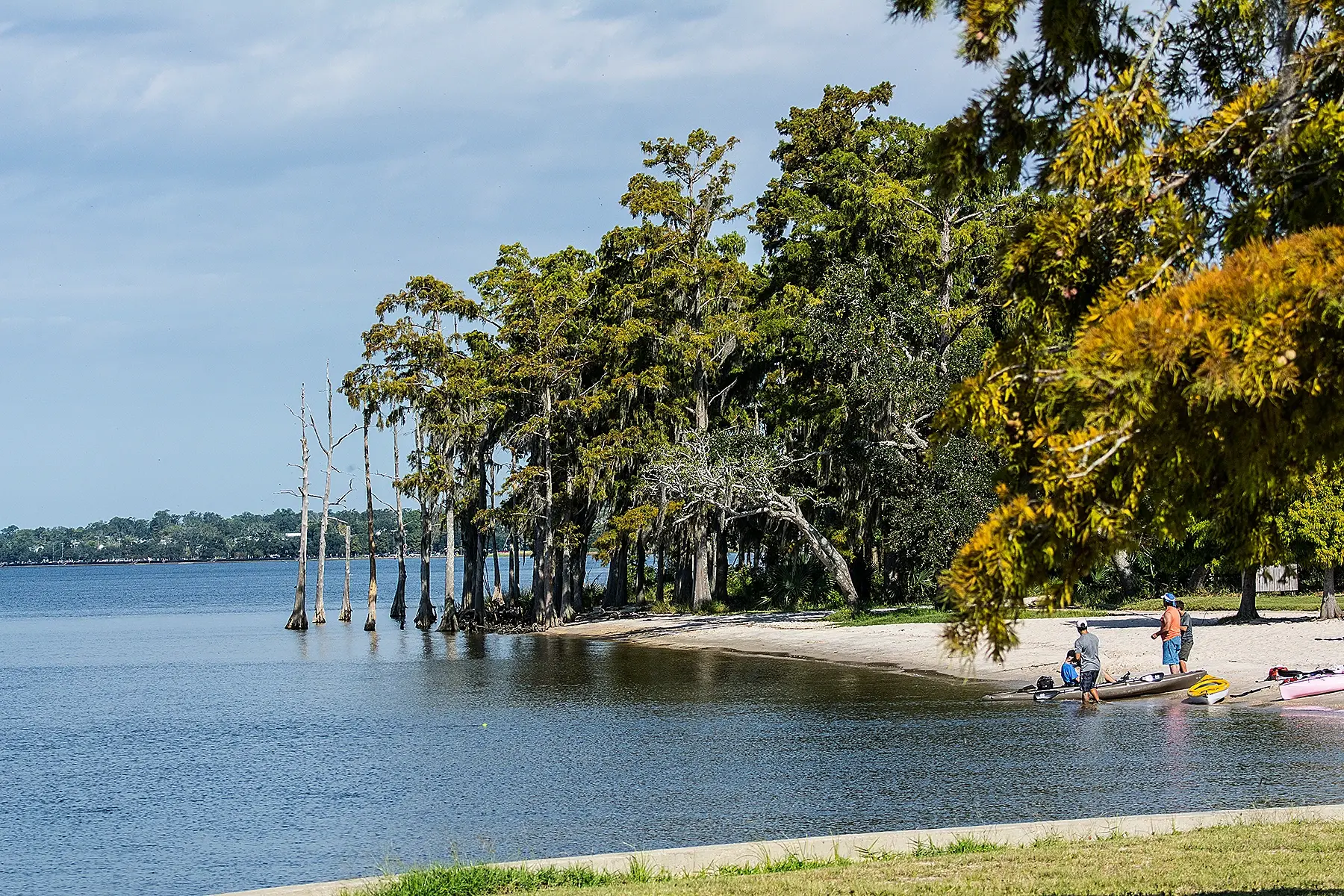
Lake Fausse Pointe in Louisiana, United States

Lake Fausse Pointe

United States, Louisiana

  1. Home
  2. United States Parks
  3. Lake Fausse Pointe

Lake Fausse Pointe

LocationUnited States, Louisiana
RegionLouisiana
TypeState Park
Coordinates30.062°, -91.6102° (show on the map)
Established1974
Area24 km²
Nearest CitySt. Martinville (18 mi)
Major CityLafayette (34 mi)
See all parks in United States →
Contents
  1. Park Overview
    1. About Lake Fausse Pointe
    2. Wildlife Ecosystems
    3. Flora Ecosystems
    4. Geology
    5. Climate and Weather
    6. Human History
    7. Park History
    8. Major Trails and Attractions
    9. Visitor Facilities and Travel
    10. Conservation and Sustainability
  2. Visitor Information
    1. Visitor Ratings
    2. Photos
    3. More Parks in Louisiana
    4. Top Rated in United States: State Park

About Lake Fausse Pointe

Lake Fausse Pointe State Park encompasses 6,000 acres at the edge of the Atchafalaya Basin, 18 miles southeast of St. Martinville in St. Martin Parish. Once home to the Chitimacha Indians, the park now provides camping, cabins, and exploration of one of America's largest and most pristine swamp ecosystems. The labyrinth of waterways winding through the basin creates exceptional paddling and fishing opportunities.

Wildlife Ecosystems

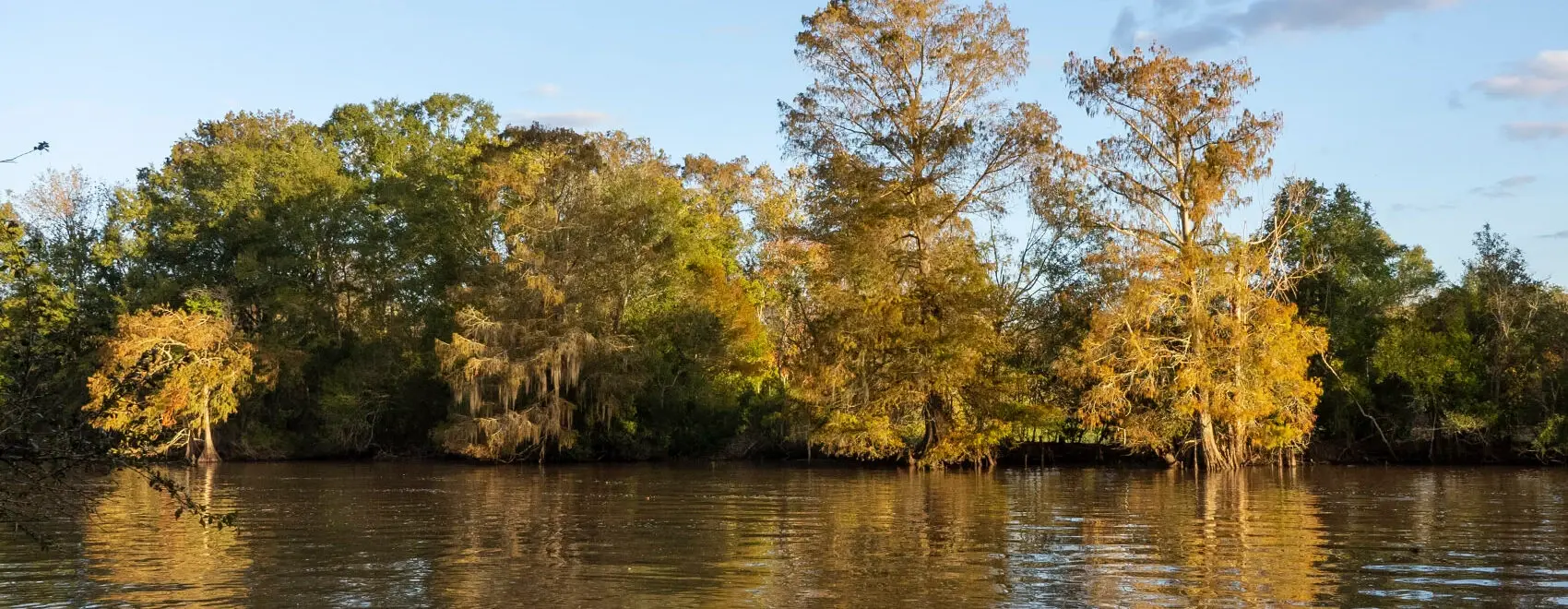
The Atchafalaya Basin supports extraordinary wildlife diversity including alligators, otters, nutria, and abundant bird life. Fish populations support excellent angling. Crawfish thrive in the swamp environment. Migratory birds utilize the basin as a critical stopover along the Mississippi Flyway. The park provides access to one of North America's most productive ecosystems.

Flora Ecosystems

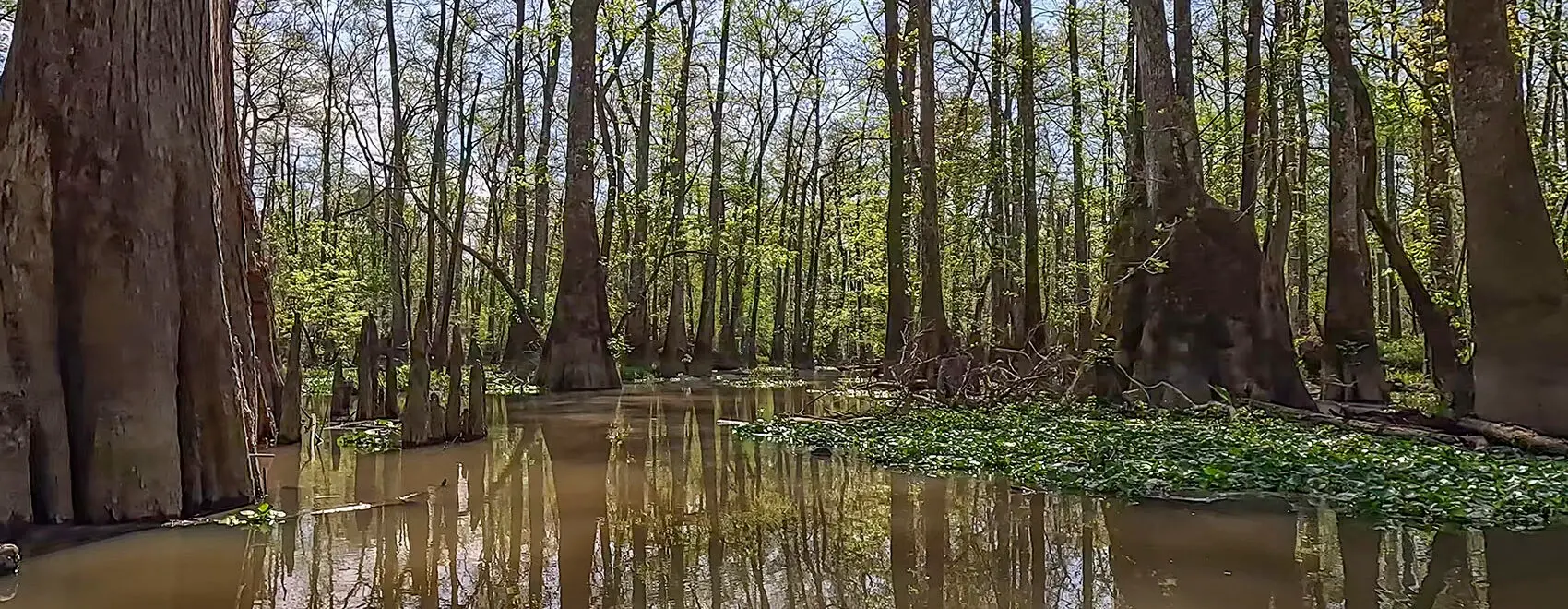
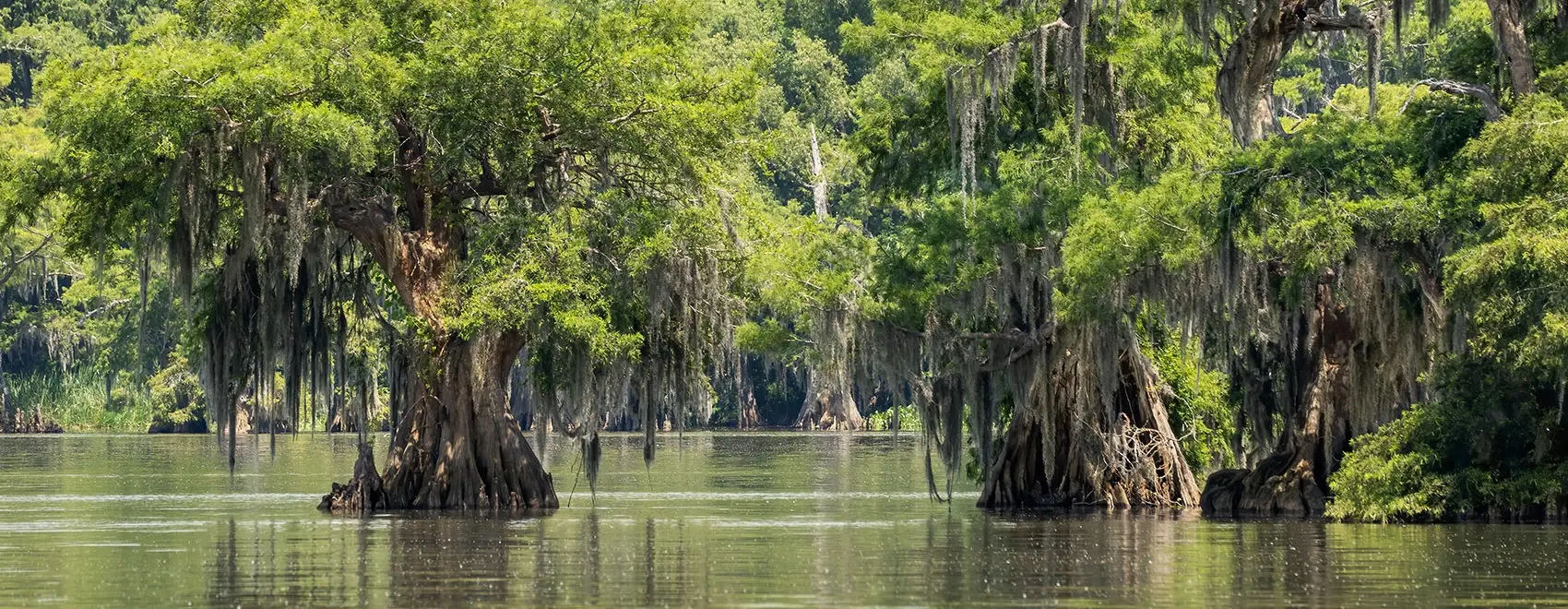
Bald cypress and tupelo forests dominate the swamp landscape. Spanish moss drapes trees throughout the basin. Aquatic and emergent vegetation occurs in the waterways. The varied water conditions from open lake to swamp forest create diverse plant communities. Wildflowers bloom on elevated areas during appropriate seasons.

Geology

Lake Fausse Pointe lies at the edge of the Atchafalaya Basin, a massive swamp ecosystem formed by the distributary of the Mississippi River. The basin represents active deltaic processes, with sediment deposition and subsidence continuously reshaping the landscape. The park provides access to this dynamic geological environment.

Climate and Weather

The humid subtropical climate creates hot, humid summers and mild winters. Summer temperatures regularly exceed 90 degrees Fahrenheit with very high humidity. Winter temperatures occasionally drop near freezing. Annual precipitation exceeds 60 inches. The swamp environment amplifies humidity, creating conditions that define the Cajun experience.

Human History

The Chitimacha Indians inhabited the Lake Fausse Pointe area for thousands of years, utilizing the abundant natural resources of the basin. Their descendants maintain tribal identity nearby. French and Acadian settlers adapted to the swamp environment, developing the distinctive Cajun culture that characterizes south Louisiana. The park preserves access to this cultural landscape.

Park History

Lake Fausse Pointe State Park was developed to provide public access to the Atchafalaya Basin while protecting sensitive swamp habitats. The Acadian-style cabins reflect regional architectural heritage. Canoe trails and hiking trails allow exploration of diverse environments. The visitor center interprets the natural and cultural significance of the basin.

Major Trails and Attractions

Three hiking trails - Armadillo Ridge, Cardinal Run, and the 3.3-mile Barred Owl Trek with its many footbridges - traverse woods and swamp. Canoe trails follow marked waterways with access to primitive canoe-only campsites. The boat launch provides access to the labyrinth of basin waterways. The visitor center and nature center provide interpretation and programs.

Visitor Facilities and Travel

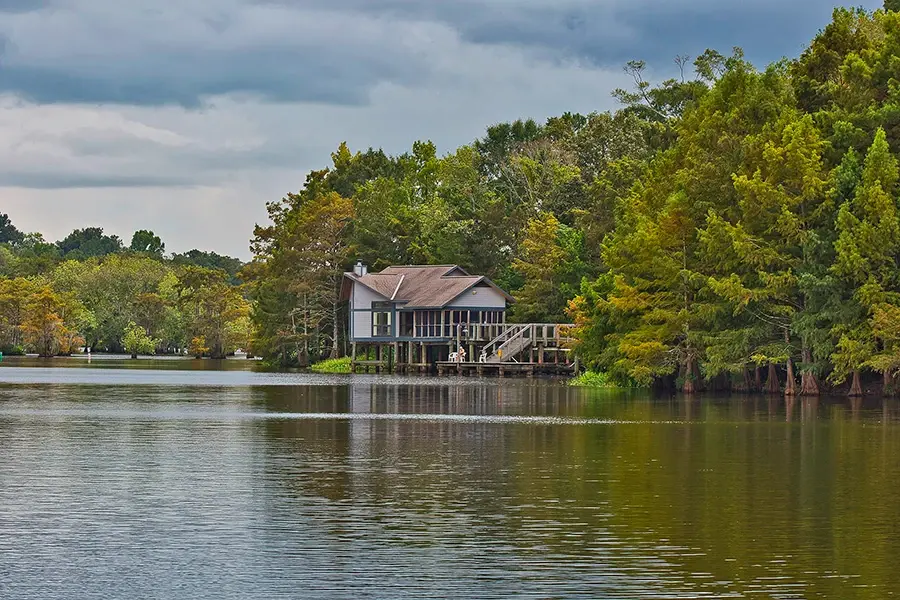
Fifty improved campsites serve tent and RV campers. Eighteen Acadian-style waterfront cabins with fishing piers offer comfortable accommodations. A conference center accommodates groups. Day-use facilities include pavilions, picnic tables, playground, and nature trails. Located 18 miles southeast of St. Martinville via Louisiana Highway 679.

Conservation and Sustainability

The park protects a significant portion of the Atchafalaya Basin while providing public access. The canoe trails minimize motorized impacts in sensitive areas. Interpretation emphasizes the ecological and cultural significance of America's largest swamp. The park demonstrates sustainable recreation in fragile wetland environments.

Visitor Ratings

54

Overall score: 54 out of 100

Out of 100. It is led by the park’s strongest nature scores (uniqueness, beauty, geology, plant life, wildlife) and pulled down by low safety, so it is not the average of the ten categories below.

Uniqueness
52/100
Intensity
10/100
Beauty
55/100
Geology
18/100
Plant Life
55/100
Wildlife
58/100
Tranquility
65/100
Access
79/100
Safety
75/100
Heritage
45/100
What the categories mean
Uniqueness
How distinctive and memorable are the park's natural features, landscapes, and overall character?
Intensity
How extreme, challenging, and adventurous are the terrain, activities, and trails?
Beauty
How beautiful are the landscapes, vistas, and natural features?
Geology
How impressive and unique are the geological formations and features?
Plant Life
How diverse and unique is the plant life? Consider rare species and distinctive ecosystems.
Wildlife
How abundant and diverse is the wildlife? Consider rare species and unique animal ecosystems.
Tranquility
How peaceful and serene is the environment? Consider noise levels and opportunities for solitude.
Access
How easy is it to reach and explore key features? Consider facilities and trail accessibility.
Safety
How safe is the park, region, and journey? Consider dangerous wildlife, plants, weather, crime, and political stability.
Heritage
How significant are the historical and cultural features?

Photos

2 photos
Lake Fausse Pointe in Louisiana, United States (photo 1 of 2)
Lake Fausse Pointe in Louisiana, United States (photo 2 of 2)

More Parks in Louisiana

Poverty Point, Louisiana
Poverty PointLouisiana67
Kisatchie, Louisiana
KisatchieLouisiana58
Fontainebleau, Louisiana
FontainebleauLouisiana51
Grand Isle State Park, Louisiana
Grand IsleState Park · Louisiana50
Chicot, Louisiana
ChicotLouisiana50
Tickfaw, Louisiana
TickfawLouisiana49

Top Rated in United States: State Park

Humboldt Redwoods, California
Humboldt RedwoodsCalifornia84
Sun Lakes-Dry Falls, Washington
Sun Lakes-Dry FallsWashington83
Jedediah Smith Redwoods, California
Jedediah Smith RedwoodsCalifornia81
Prairie Creek Redwoods, California
Prairie Creek RedwoodsCalifornia81
Del Norte Coast Redwoods, California
Del Norte Coast RedwoodsCalifornia79
Caprock Canyons, Texas
Caprock CanyonsTexas79

International Parks

Helping nature enthusiasts discover and explore the world's most remarkable protected areas.

© 2026 International Parks. All rights reserved.

Navigation

  • Home
  • Explore Parks
  • Interactive Park Map
  • Park Ratings & Rankings
  • Park Wiki
  • Parks by Country

Resources

  • About Us
  • US National Park Seasons
  • Privacy & Terms
  • Copyright & Takedown

Account

  • My Profile
  • Suggest a Park
  • Write a Review
  • Log In
  • Sign Up

Connect

Support This Project

Contact Us

internationalparksbusiness@gmail.com

Explore by Country

  • United States
  • Canada
  • Australia
  • United Kingdom
  • Japan
  • Brazil
  • India
  • France
  • Germany
  • Italy
  • Spain
  • Thailand
  • All countries