John B. Yeon
United States, Oregon
About John B. Yeon
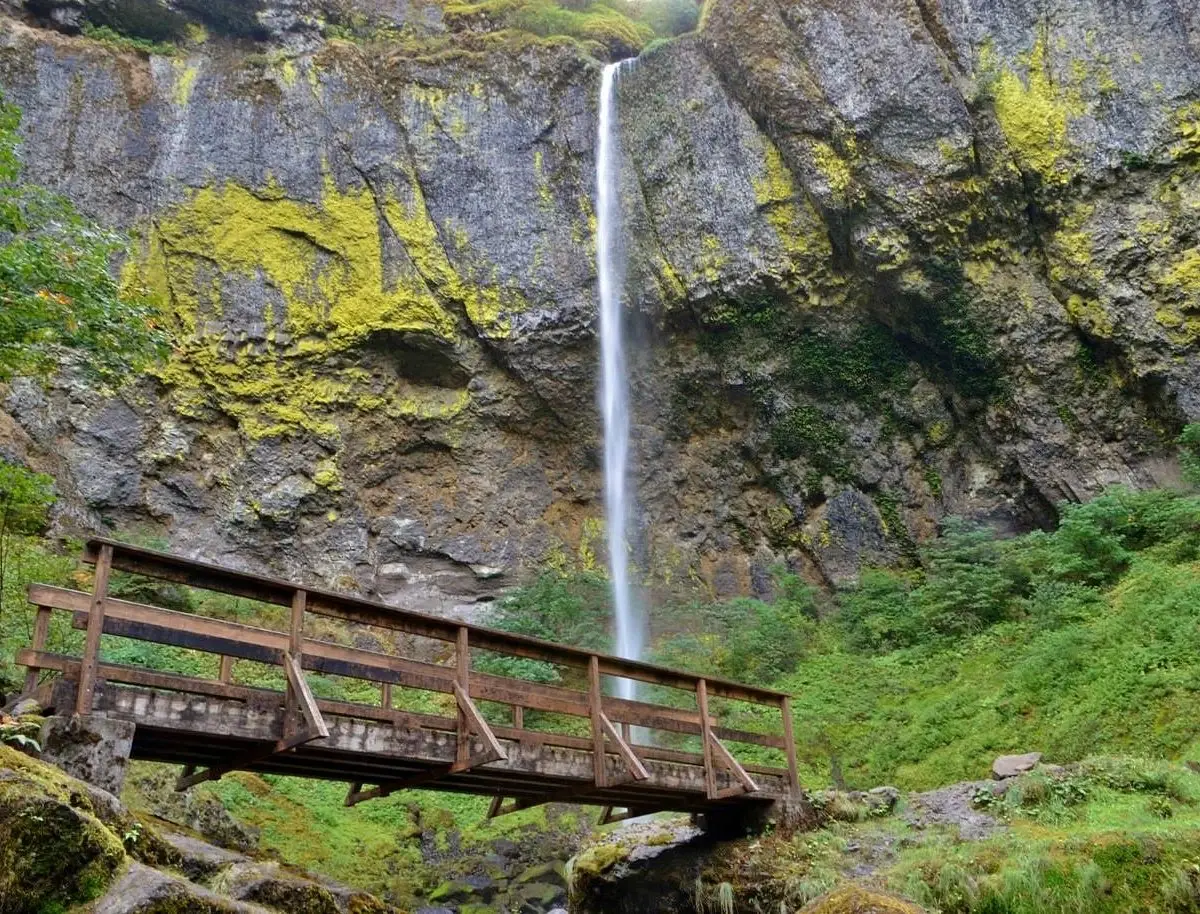
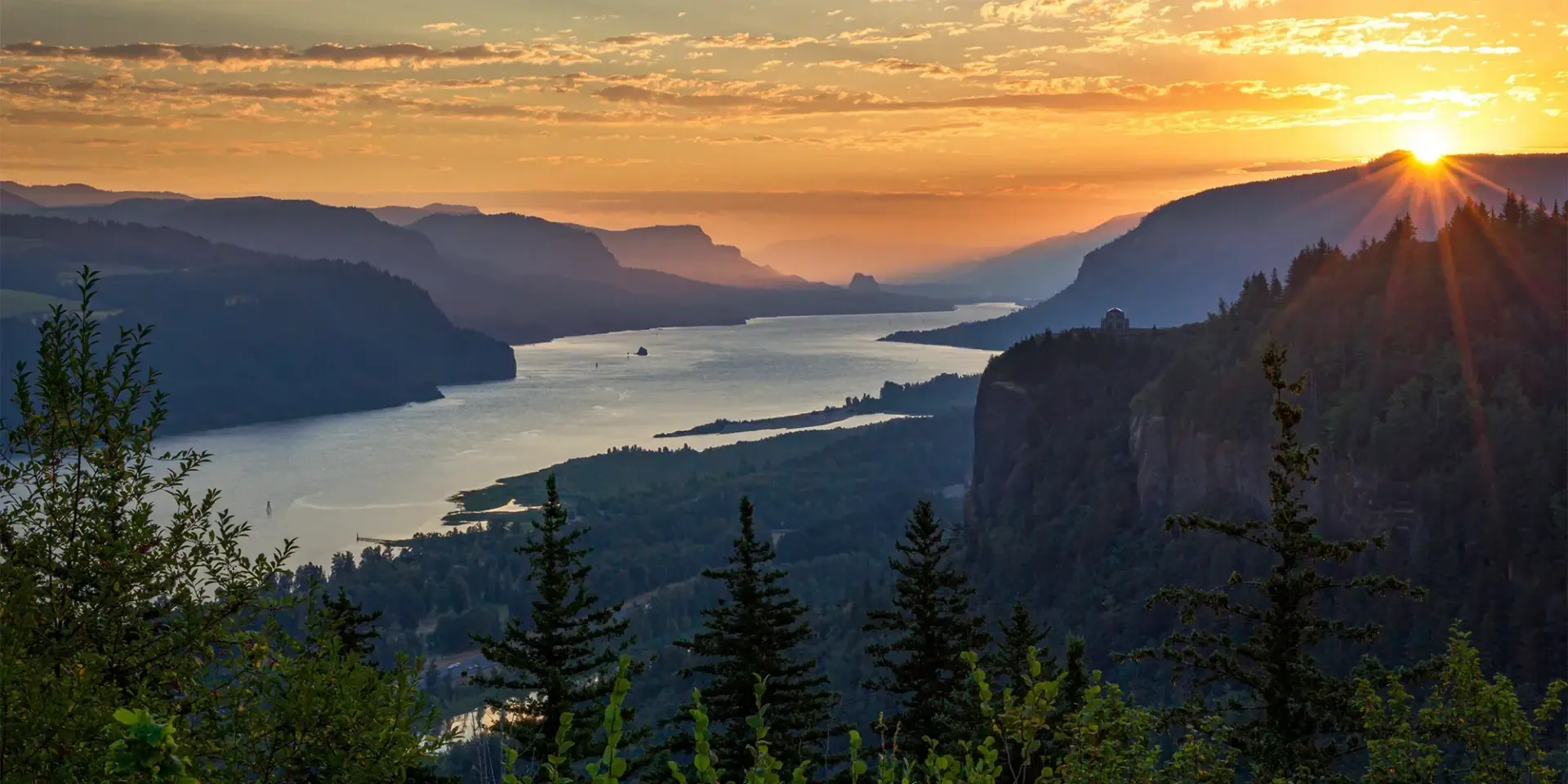
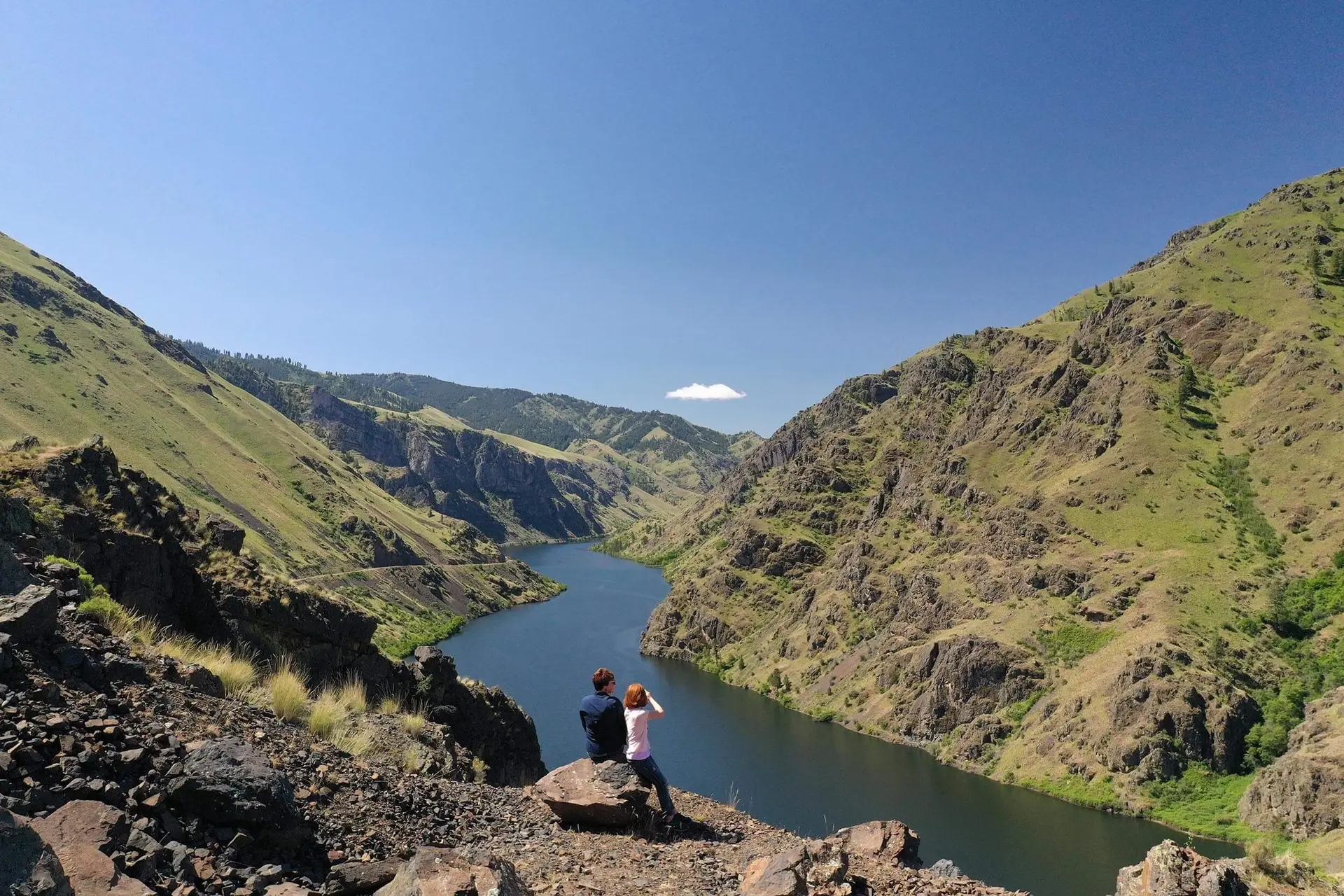
John B. Yeon State Scenic Corridor is located in Oregon and provides outdoor recreation and natural beauty. The park protects diverse Oregon ecosystems and provides visitor amenities. Popular activities include hiking, camping, picnicking, and nature study.
Wildlife Ecosystems
The park supports typical Pacific Northwest wildlife including black-tailed deer, elk, black bears, numerous bird species, and small mammals. Forest and meadow ecosystems create diverse habitats supporting varied animal communities across different elevations and vegetation types.
Flora Ecosystems
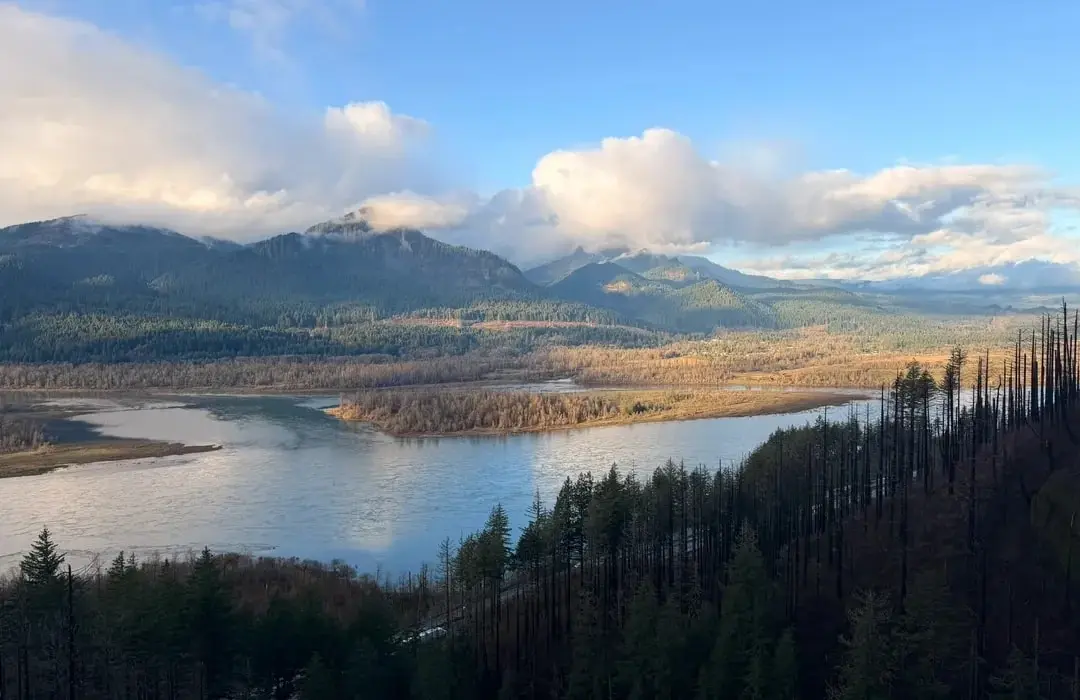
Vegetation consists of mixed coniferous forest including Douglas fir, western hemlock, ponderosa pine, and various understory shrubs, ferns, and seasonal wildflowers. Seasonal changes bring dramatic shifts in plant appearance, from spring wildflower blooms to autumn foliage colors.
Geology
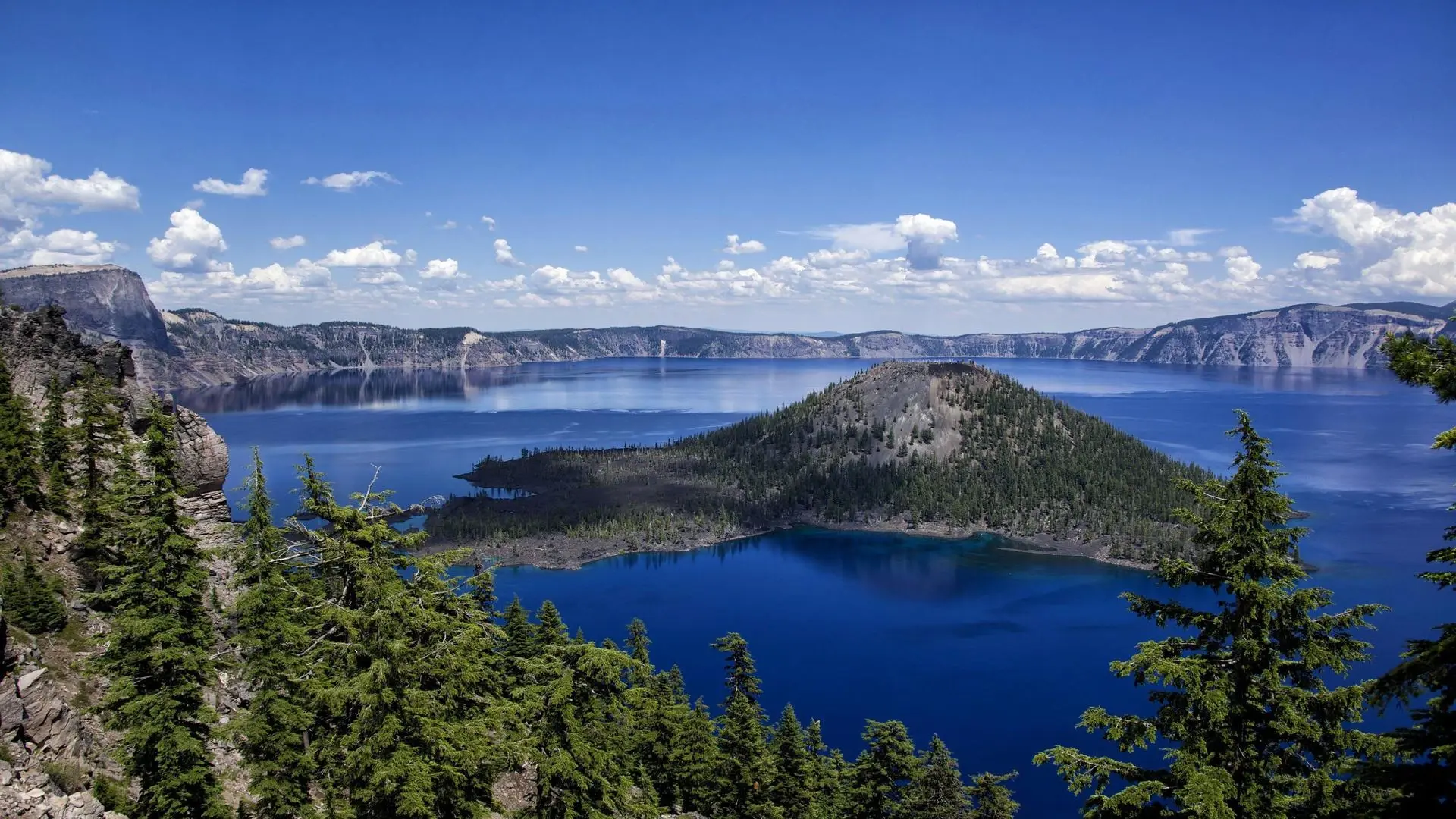
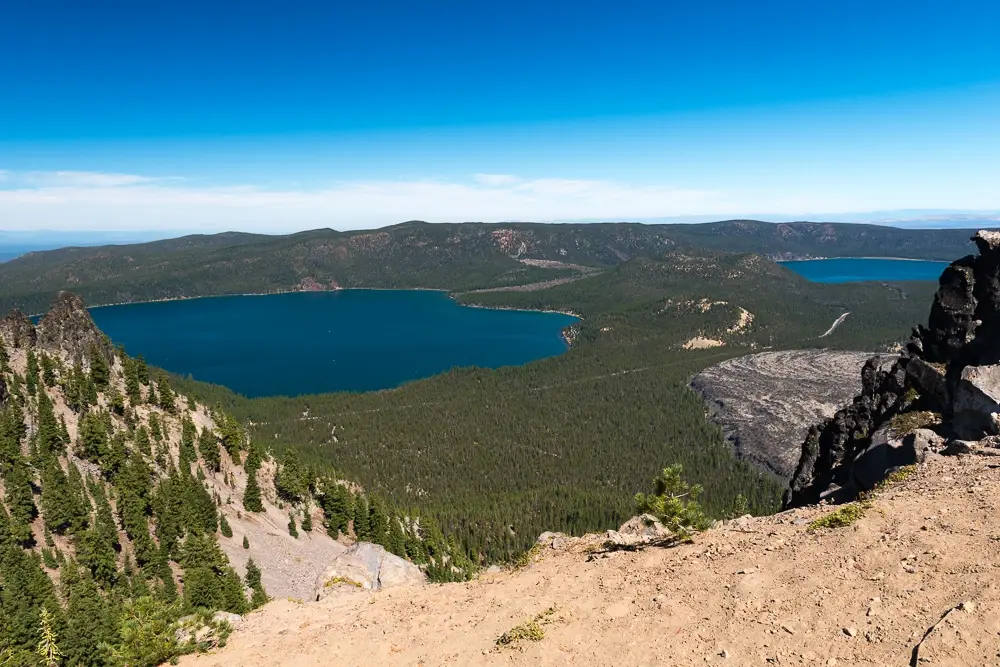
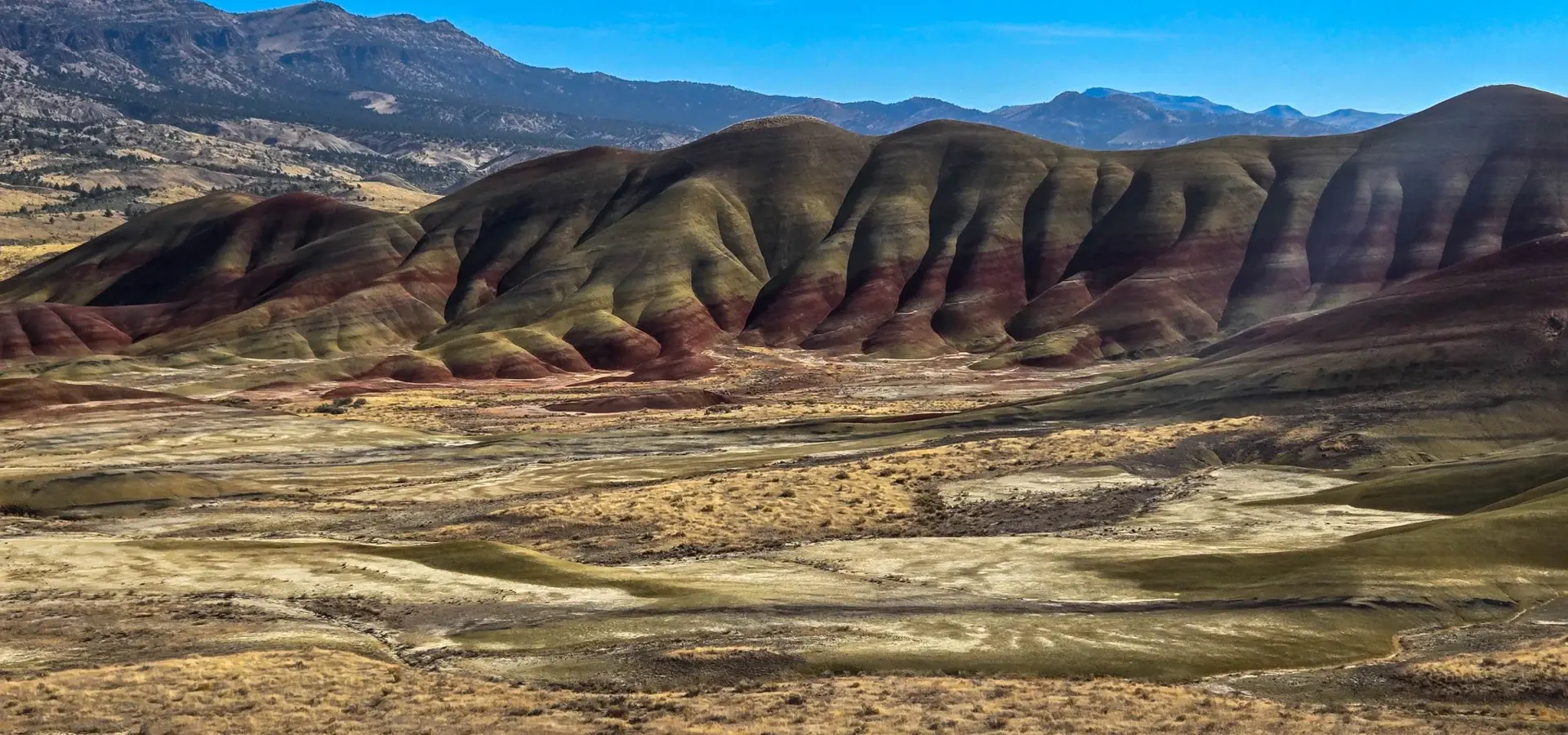
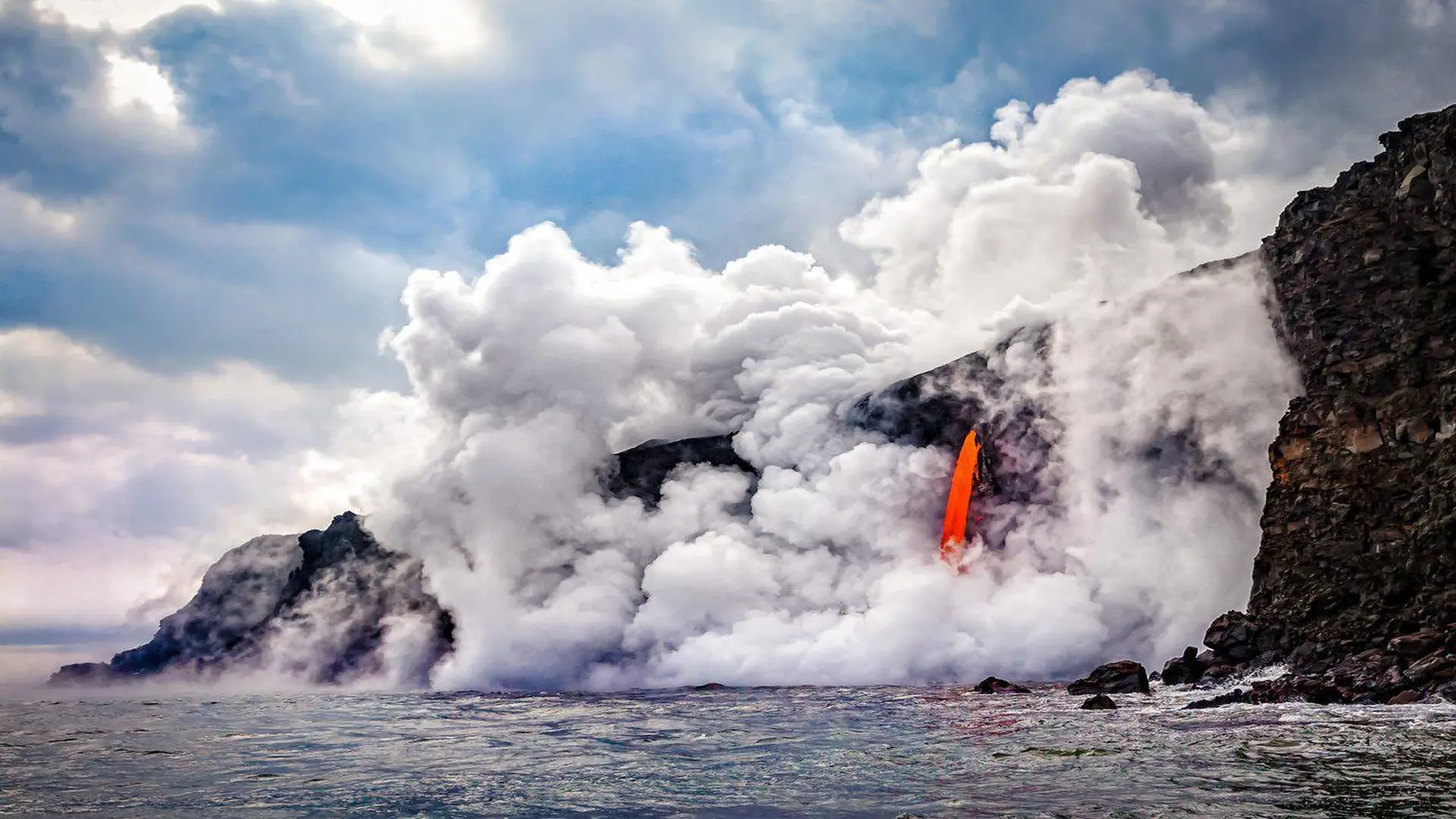
The area's geology reflects volcanic activity from the Cascade volcanic arc over millions of years, with lava flows, pyroclastic deposits, and later glacial sculpting. Ongoing geological processes including erosion, occasional seismic activity, and weathering continue to shape the landscape.
Climate and Weather
The climate is characterized by wet, mild winters and warm, dry summers. Temperatures vary with elevation, ranging from 30-90°F seasonally. Precipitation occurs primarily October through April.
Human History
The region has been inhabited for thousands of years by indigenous peoples who hunted, fished, and gathered across diverse ecosystems, moving seasonally to access different resources. European-American arrival in the mid-1800s brought significant changes including resource extraction, settlement, and displacement of native populations. Logging, fishing, ranching, or agriculture shaped the landscape before parkland designation.
Park History
John B. Yeon was established by Oregon State Parks to protect natural resources and provide public recreation access. Development included visitor facilities such as campgrounds, picnic areas, trails, and interpretive features to support various recreational activities while protecting natural values. The park has evolved over time to meet changing visitor needs while maintaining its core conservation and recreation mission.
Major Trails and Attractions
Key attractions include hiking trails of varying difficulty, scenic viewpoints, camping areas, and opportunities for wildlife observation and nature photography. Trails and attractions vary seasonally with best access typically during spring through fall months.
Visitor Facilities and Travel
Access is typically via Oregon state highways with well-marked turnoffs from major roads. Facilities commonly include varied amenities depending on park size and purpose. Most parks are day-use or offer camping, with seasonal variations in facility availability. Weather varies seasonally with wet winters and dry summers typical of Oregon.
Conservation and Sustainability
Park management focuses on balancing recreational use with ecosystem protection through sustainable management practices. Invasive species control, sustainable trail maintenance, and visitor education support long-term conservation goals. The park serves important roles in Oregon's broader conservation network, protecting biodiversity and providing environmental education opportunities.
Photos
1 photo