Delaware
United States, Ohio
About Delaware
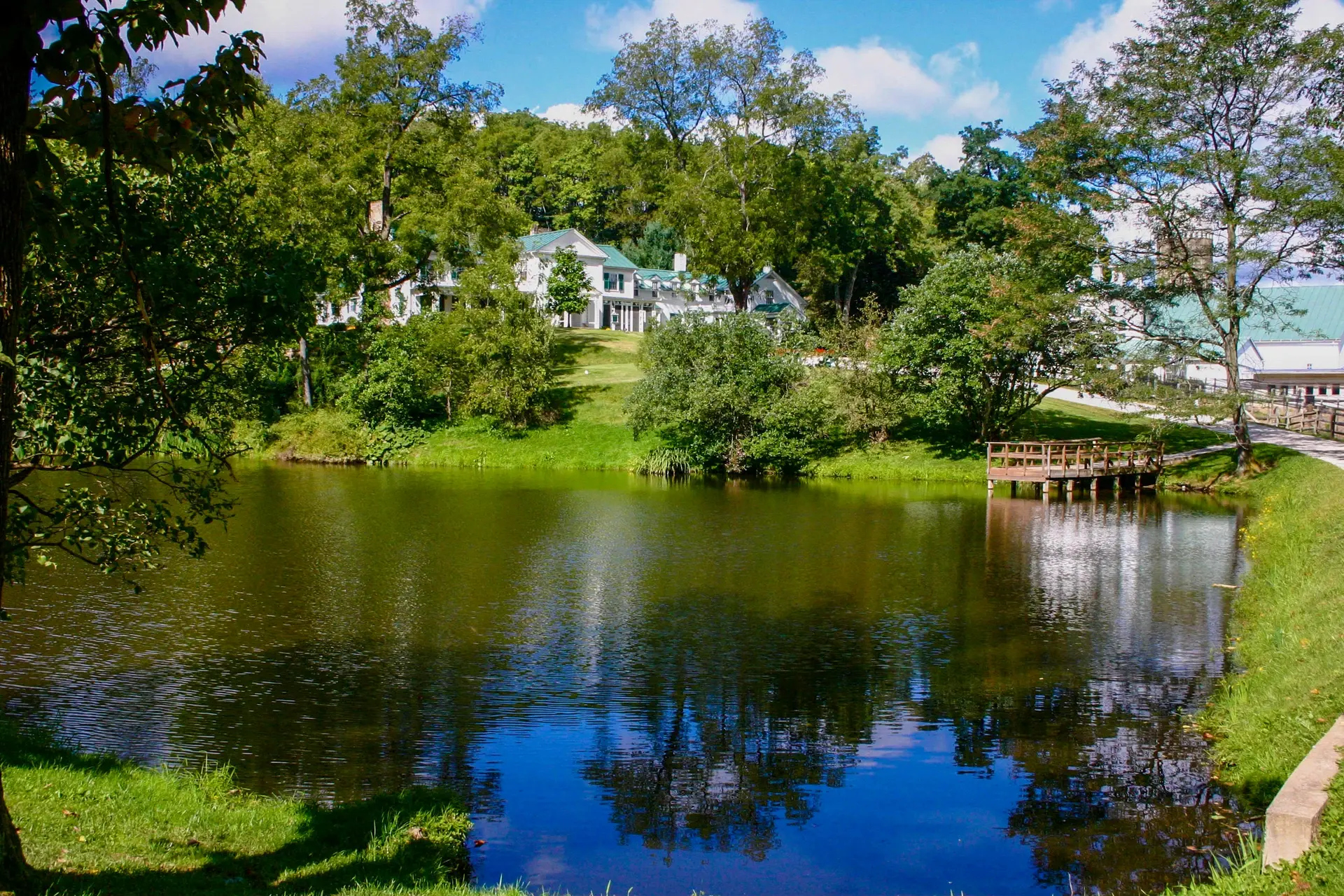
Delaware State Park is a 1,686-acre public recreation area located near the city of Delaware in Delaware County, Ohio. The park centers on the scenic Delaware Lake, created in 1951 when the U.S. Army Corps of Engineers constructed a flood control dam on the Olentangy River. Open for year-round recreation, the park offers camping, hiking, boating, swimming, hunting, fishing, and picnicking opportunities set within a landscape of dense woodlands, expansive meadows, and the shimmering reservoir. The park, city, and county share their name with the Delaware (Lenape) Indians, a Native American tribe whose history is interwoven with the region's cultural heritage. Located just north of Columbus, Delaware State Park provides convenient access to nature for central Ohio residents.
Wildlife Ecosystems
Delaware State Park supports impressive wildlife diversity, with over 200 bird species recorded within the park boundaries. The variety of habitats including woodlands, meadows, and wetlands creates ideal conditions for different wildlife throughout the year. The area supports nesting pairs of bald eagles, which are often seen soaring above Delaware Lake or perched in tall shoreline trees. Great blue herons wade the shallows, while ospreys dive for fish during summer months. Migratory waterfowl including various duck species visit the lake during spring and fall. Forest birds such as wood thrushes, scarlet tanagers, and numerous warblers nest in the woodlands. White-tailed deer are abundant, and smaller mammals including foxes, raccoons, and squirrels are commonly observed along trails.
Flora Ecosystems
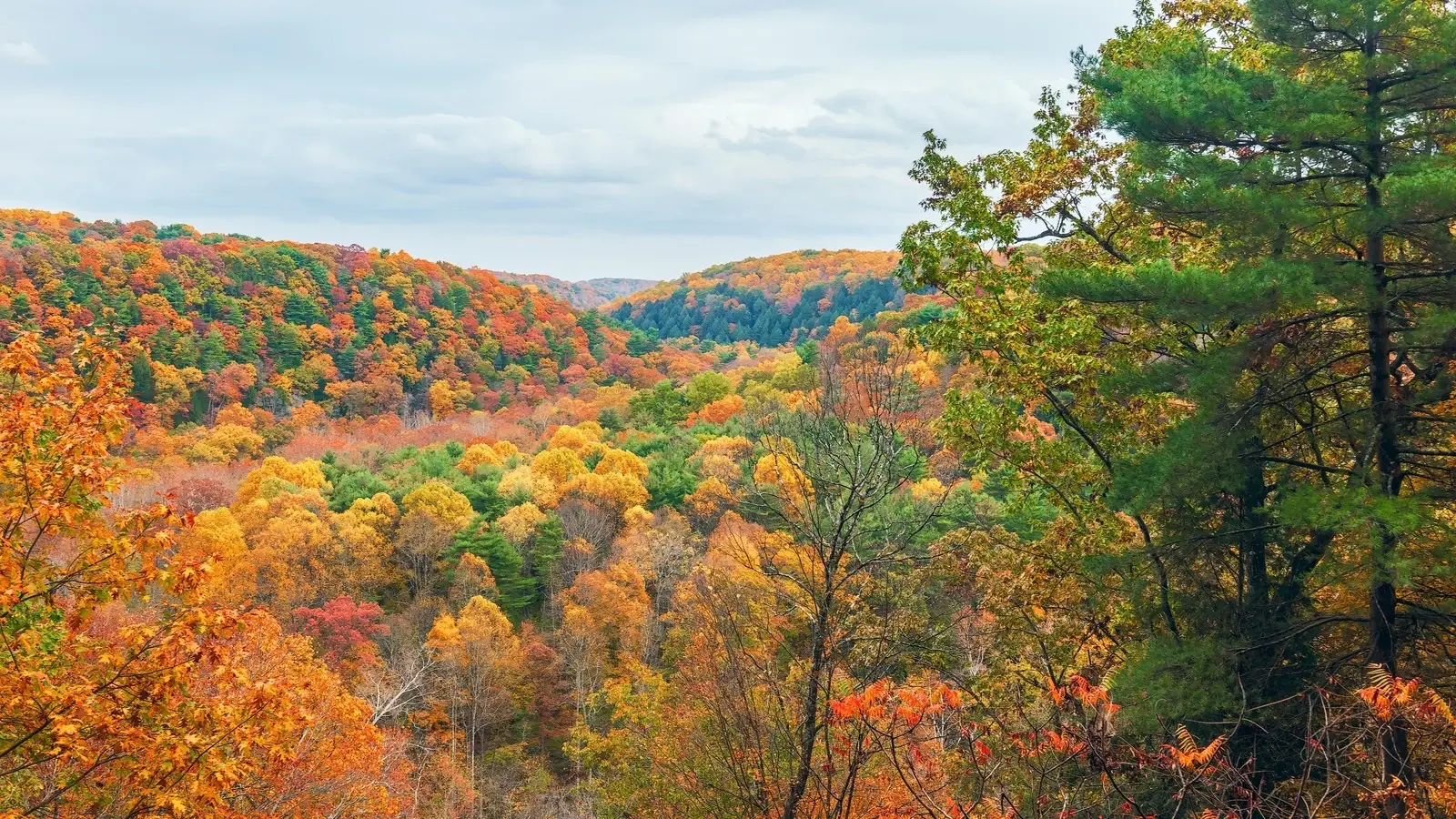
Before European settlement, a rich beech-maple forest covered the landscape now occupied by Delaware State Park. Though the original forest was cleared for agriculture in the 19th century, a healthy second-growth forest now flourishes within the park, preserving valuable woodland habitat. The regenerated forest features American beech, sugar maple, and various oak species that provide spectacular fall color. The understory includes dogwoods and other shade-tolerant shrubs that bloom in spring. Park trails transect diverse habitats including meadows, woodlands, and wetlands, each supporting distinct plant communities. Wetland areas harbor cattails, sedges, and aquatic plants that provide food and cover for waterfowl and other wildlife.
Geology
Delaware State Park occupies land underlain by Columbus limestone, a geological formation deposited over 350 million years ago during the Devonian Period when Ohio lay beneath a warm, shallow tropical sea. This distinctive limestone outcrops in a north-south band through central Ohio and has been quarried extensively for construction purposes, including the construction of Ohio's state capitol building in Columbus. The surface topography reflects glacial influences, as continental ice sheets covered this region during the Pleistocene epoch, depositing layers of glacial till and shaping the gently rolling terrain. Delaware Lake itself is a flood control reservoir created by damming the Olentangy River, with the dam completed in 1951 by the U.S. Army Corps of Engineers.
Climate and Weather
Delaware State Park experiences a humid continental climate characterized by four distinct seasons. Summers are warm and humid, with temperatures typically varying from lows in the 60s to highs in the low to mid-80s Fahrenheit. Winter brings cold temperatures, with lows averaging near 20 degrees Fahrenheit and regular snowfall, though accumulations are typically moderate. Spring and fall offer pleasant conditions ideal for outdoor recreation, with moderate temperatures and lower humidity. Over the course of the year, temperatures rarely drop below single digits or rise above 90 degrees. Annual precipitation averages approximately 40 inches, distributed fairly evenly throughout the year. The lake moderates temperatures slightly compared to surrounding areas.
Human History
The land now occupied by Delaware State Park has a rich Native American heritage. The park, city, and county are named for the Delaware Indians, also known as the Lenape, a prominent Native American tribe that originally lived along the Delaware River in the northeastern United States. Colonial expansion pushed the Lenape westward, and they eventually established communities in Ohio during the 18th century. The Delaware did not leave Ohio peacefully; they joined a confederation of tribes led by Chief Pontiac in Pontiac's Rebellion and later participated in Blue Jacket's confederation during the Northwest Indian War. Settlers of the Northwest Territory eventually displaced the Native American inhabitants, establishing farms on the fertile central Ohio lands.
Park History
Delaware State Park owes its existence to flood control efforts on the Olentangy River. The U.S. Army Corps of Engineers constructed the Delaware Dam in 1951, creating a flood control reservoir that protects downstream communities from flooding. The newly created lake and surrounding lands were dedicated as a state park later that year, opening central Ohio's newest outdoor recreation destination. Initial development focused on basic recreational facilities including boat ramps, picnic areas, and camping facilities. Over subsequent decades, the park expanded its amenities and trail network. Today, Delaware State Park serves as an important recreational resource for the growing Columbus metropolitan area while preserving natural habitats and providing wildlife viewing opportunities.
Major Trails and Attractions
Delaware State Park features a network of trails connecting the lakeshore with each of the four camping areas while transecting meadows, woodlands, and wetlands. These trails provide opportunities for hiking, wildlife observation, and nature study throughout the park. The 1,330-acre Delaware Lake serves as the park's primary attraction, supporting boating, fishing, and swimming activities. Multiple boat ramps provide access for motorized and non-motorized watercraft. The swimming beach offers warm-weather recreation with bathhouse facilities. Hunting is permitted in designated areas during appropriate seasons. Winter activities include ice fishing when conditions allow. The park's proximity to the city of Delaware and Columbus makes it an accessible destination for day trips and weekend camping excursions.
Visitor Facilities and Travel
Delaware State Park offers comprehensive facilities for camping and day-use recreation. The campground provides 214 sites suitable for tents or trailers, with flush toilets, showers, laundry facilities, and a dump station. Electrical hookups are available at 164 of the campsites. The swimming beach includes a bathhouse with showers and a snack bar for visitor convenience. Picnic areas are scattered throughout the park with tables and grills. Boat ramps provide lake access for fishing and recreational boating. Delaware State Park is located on U.S. Route 23 approximately five miles north of the city of Delaware in Delaware County. The park is easily accessible from Columbus, located about 25 miles to the south.
Conservation and Sustainability
Delaware State Park protects important natural habitats while providing recreational opportunities for the growing central Ohio population. The preserved second-growth forests represent valuable woodland ecosystems that support diverse wildlife communities. Wetland areas along the lake and tributary streams provide critical habitat for waterfowl, amphibians, and aquatic species. The park participates in Ohio's efforts to protect and monitor bald eagle populations, which have recovered dramatically in recent decades and now nest successfully at Delaware Lake. Water quality monitoring ensures the reservoir remains healthy for recreation and aquatic life. Educational programs connect visitors with the natural and cultural history of the region, fostering appreciation for conservation values.
Photos
No photos available yet