Kuri'y
Paraguay, Alto Paraná
About Kuri'y
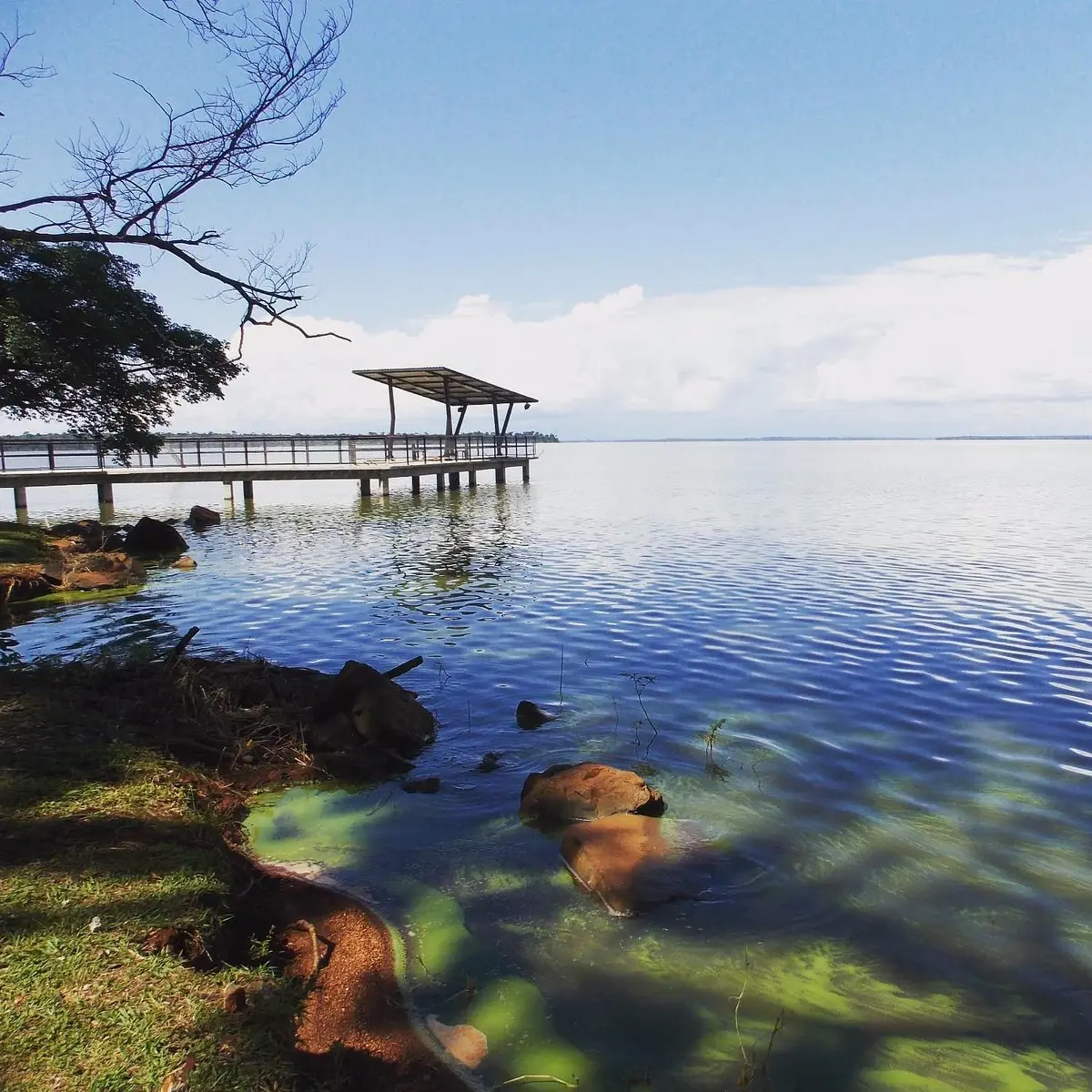
Kuri'y is a National Reserve located in the Alto Paraná department of eastern Paraguay, situated in the vicinity of the Itaipú hydroelectric reservoir on the Paraná River. The reserve protects one of the remaining fragments of the Interior Atlantic Forest, one of the world's most threatened biomes, in a landscape dominated by intensive agriculture and the massive infrastructure of the Itaipú dam. Kuri'y takes its name from the Guaraní word for palm, reflecting the indigenous cultural geography of the region. The reserve forms part of the corridor of protected areas that Itaipú Binacional, the joint Brazilian-Paraguayan entity operating the dam, has maintained along the reservoir margins to mitigate the ecological impacts of reservoir creation.
Wildlife Ecosystems
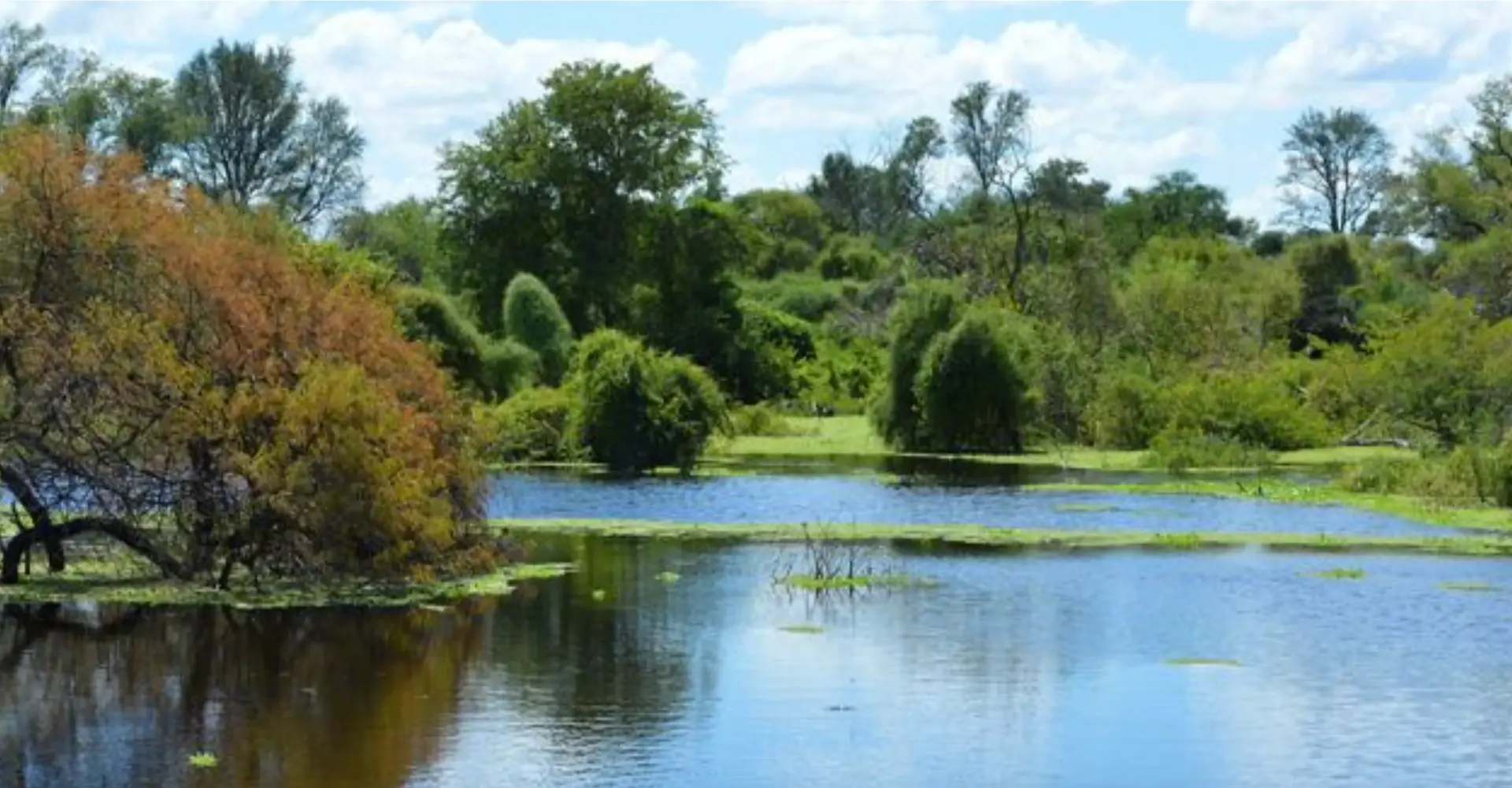
Kuri'y provides refuge for Atlantic Forest wildlife in a highly fragmented landscape. Mammals recorded in or near the reserve include paca, capybara along the reservoir margins, crab-eating fox, armadillos, and various bat species critical for forest regeneration through seed dispersal and pollination. The reservoir's edge creates an interface habitat supporting waterbirds including herons, egrets, cormorants, and kingfishers. Caiman are present in reservoir and stream habitats. The bird community includes a subset of Interior Atlantic Forest specialists, some of which are endemic to this biome and globally threatened, such as the Vinaceous-breasted Parrot and various tanager species. The reserve's proximity to the reservoir creates some atypical edge conditions but also provides permanent water access supporting diverse wildlife.
Flora Ecosystems
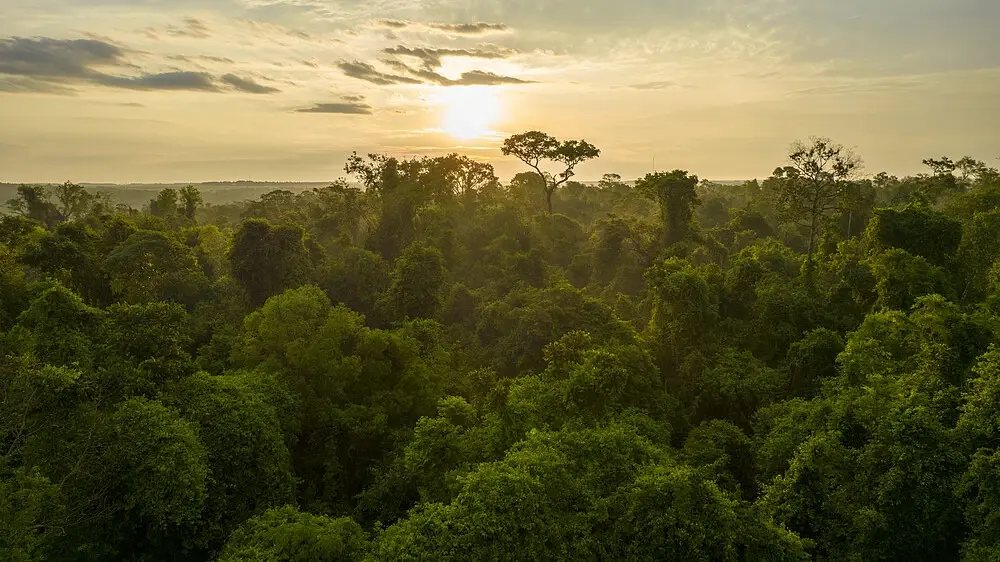
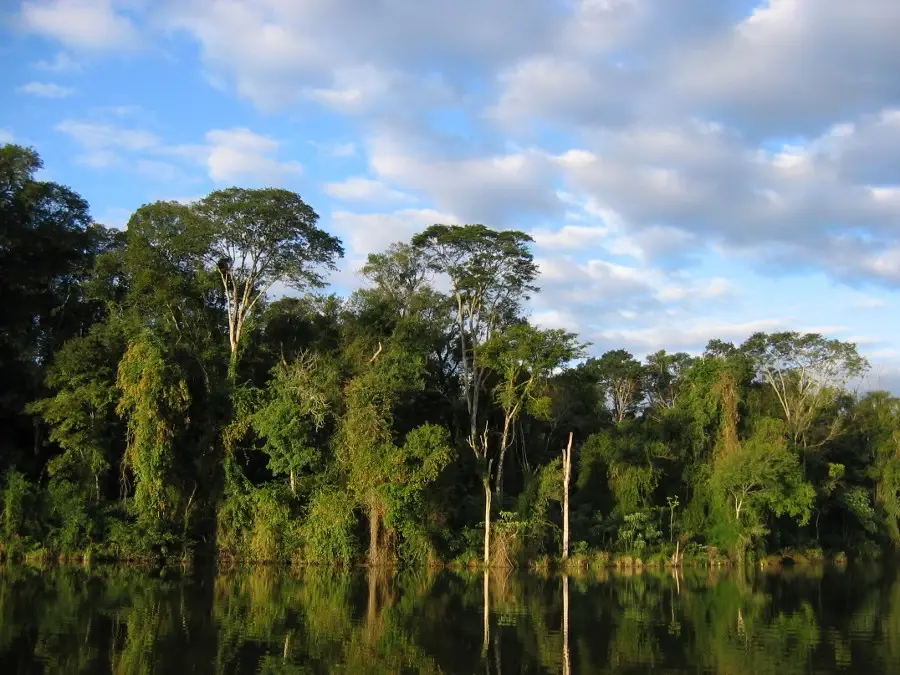
The vegetation of Kuri'y consists of fragments of Semi-deciduous Atlantic Forest, the dominant forest type of interior eastern Paraguay. Characteristic canopy species include Aspidosperma polyneuron (peroba rosa), Apuleia leiocarpa (grapia), and Balfourodendron riedelianum (guatambú), many of which are commercially valuable and have been heavily logged throughout the region. The palm Euterpe edulis (juçara) and the iconic Araucaria angustifolia (Paraná pine) occur in this forest type, though both have been drastically reduced by exploitation. The forest understory in intact areas supports diverse ferns, bromeliads, orchids, and shade-tolerant shrubs. Riparian and shoreline vegetation along the Itaipú reservoir includes species adapted to fluctuating water levels.
Geology
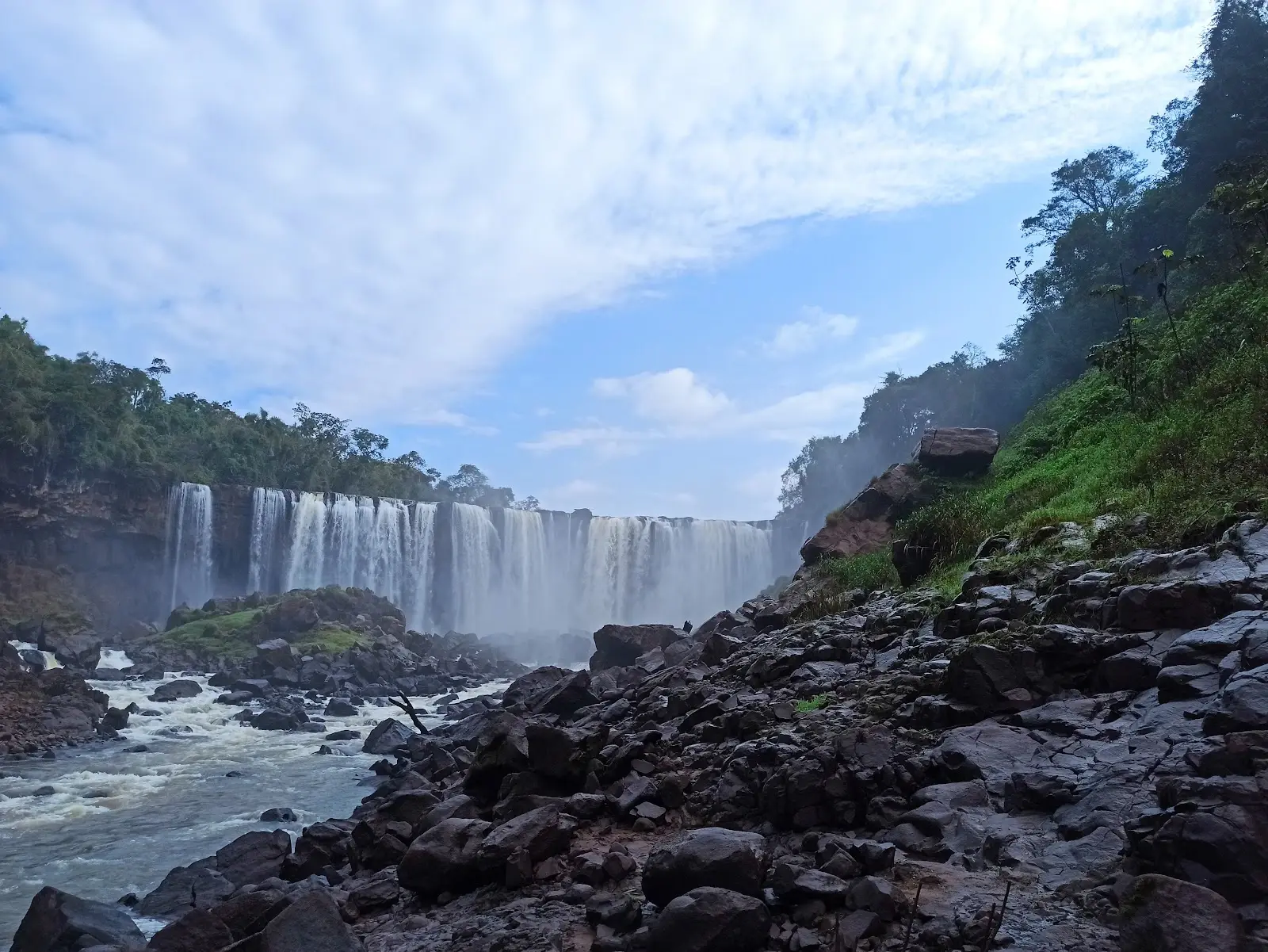
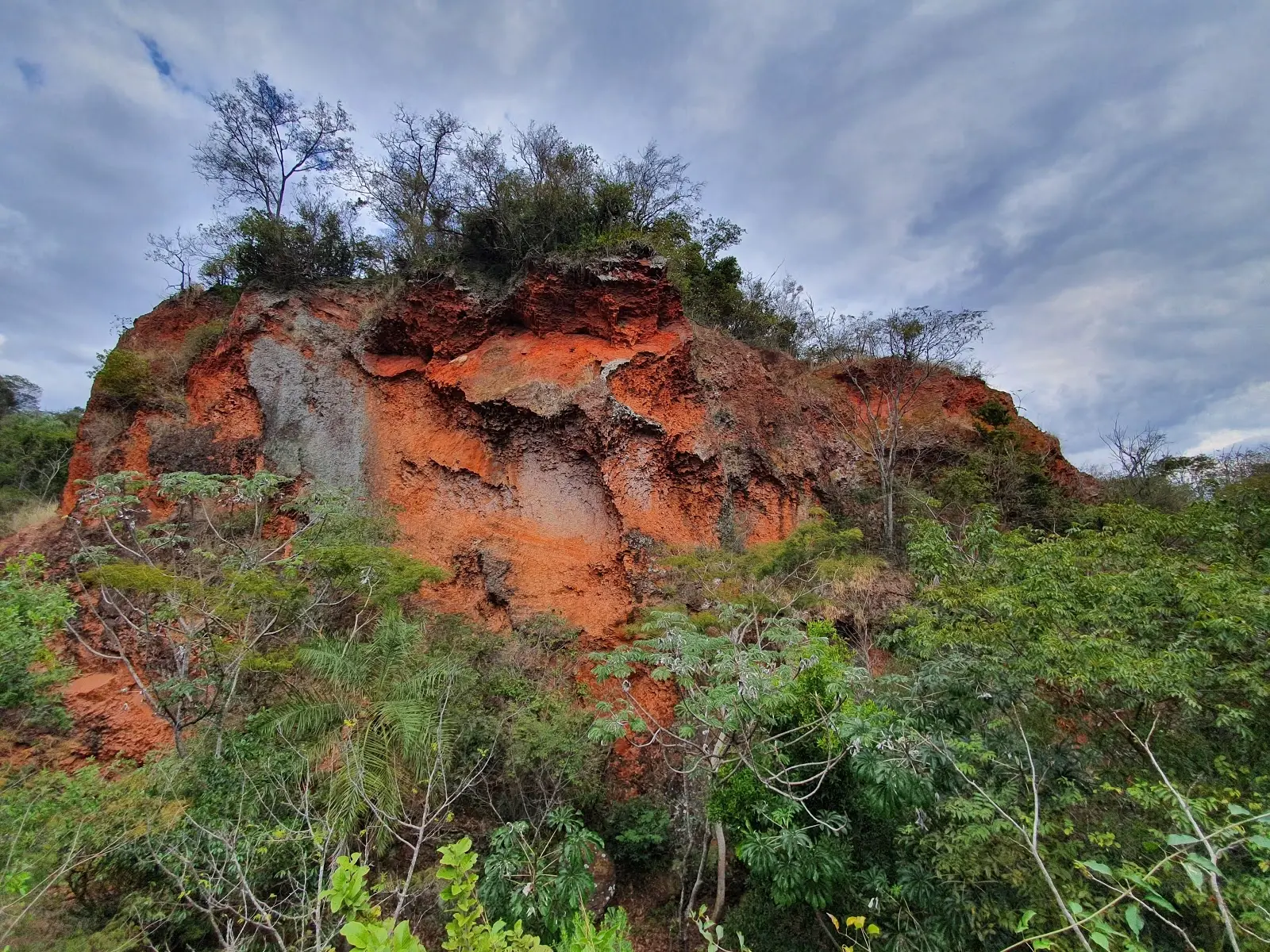
Alto Paraná department overlies the Paraná Plateau, a vast geological formation dominated by the Serra Geral Basalt, one of the world's most extensive continental flood basalt sequences. This volcanic rock was erupted approximately 130 million years ago during the breakup of Gondwana and underlies much of southern Brazil, eastern Paraguay, and northeastern Argentina. The basalt weathers to produce the characteristically deep, dark-red lateritic soils of the region, known as terra roxa in Brazil, which are among the most fertile agricultural soils in South America. The Paraná River, which forms the boundary with Brazil and Argentina, cuts deeply through this basalt plateau. The Itaipú reservoir, behind which Kuri'y is situated, submerged the Guaíra Falls, once the world's highest volume waterfall by total flow, in 1982.
Climate and Weather
Kuri'y experiences a humid subtropical climate with well-distributed rainfall throughout the year, distinguishing it from the more seasonal tropical climate of northern Paraguay. Annual precipitation typically ranges from 1,500 to 2,000 millimeters. Summers from November to March are hot and humid, with average temperatures exceeding 28°C and occasional extreme heat events. Winters from June to August are mild with average temperatures around 15°C to 18°C, and frost events can occur, particularly on winter nights. The climate supports the semi-deciduous forest characteristic of the region, where some tree species lose leaves during the cooler, slightly drier winter months. The Itaipú reservoir moderates local temperatures somewhat and increases ambient humidity in the immediate vicinity of its shores.
Human History
The Alto Paraná region has been inhabited by Guaraní-speaking peoples for millennia before European contact, and the Guaraní cultural legacy is embedded in the region's place names, including Kuri'y itself. Jesuit missions established in the 17th and early 18th centuries brought significant social and agricultural transformation to eastern Paraguay, organizing Guaraní communities into reductions. Following the expulsion of the Jesuits in 1767, the region experienced depopulation and gradual recolonization. The Triple Alliance War of 1864-1870 devastated Paraguay's population and infrastructure, leaving vast areas of eastern Paraguay underpopulated. The 20th century brought waves of agricultural colonization, transforming the Atlantic Forest of Alto Paraná into soybean fields and cattle pastures, among the most rapid and complete deforestation events globally.
Park History
Kuri'y National Reserve was established in the context of Itaipú Binacional's environmental mitigation program, which created a series of protected areas along the Paraguayan and Brazilian shores of the Itaipú reservoir. The construction of the dam, completed in 1984, inundated extensive areas of forest and displaced communities, prompting obligations to compensate for ecological losses. Itaipú Binacional has since managed biological refuges, nature reserves, and protected zones along the reservoir. Kuri'y represents one of the protected areas within this framework, administered under Paraguayan law. The reserve's establishment reflects both the ecological importance of conserving Atlantic Forest remnants and the institutional capacity of Itaipú to fund and manage conservation areas as part of its operational mandate.
Major Trails and Attractions
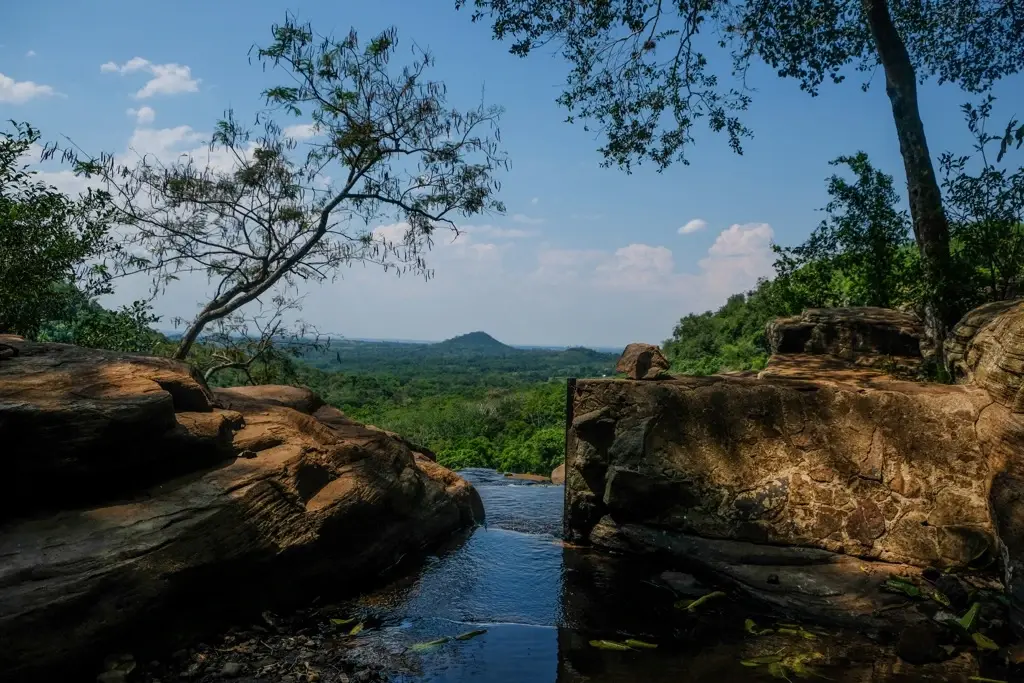
Kuri'y offers opportunities for observing Atlantic Forest ecology in a landscape context dominated by the Itaipú reservoir. The reservoir shoreline provides scenic views across the water and into Brazil, with the forested margins of the reserve creating an appealing natural landscape. Birdwatching is a primary attraction, with the reserve's forest-reservoir interface supporting a diverse assemblage of species. Nature trails within the reserve allow visitors to observe Semi-deciduous Atlantic Forest vegetation and listen for the calls of characteristic species such as parrots, toucans, and antbirds. The proximity to the Itaipú complex, one of Paraguay's major tourism destinations attracting hundreds of thousands of visitors annually, means the reserve benefits from nearby visitor infrastructure and exposure.
Visitor Facilities and Travel
Kuri'y is located in Alto Paraná department, Paraguay's most economically dynamic eastern region centered on Ciudad del Este, the second largest city in Paraguay. Ciudad del Este lies approximately 30 kilometers from the reserve and provides extensive accommodation, dining, and commercial services. The Puente de la Amistad connecting Ciudad del Este to Foz do Iguaçu in Brazil is one of the busiest land border crossings in South America. Access to the reserve from Ciudad del Este is via paved roads through the agricultural interior. Itaipú Binacional operates visitor programs for its reservoir protection areas, and contact with the Itaipú environmental division is recommended for arranging access to Kuri'y and information on current visitation facilities.
Conservation and Sustainability
Kuri'y faces the conservation challenges typical of isolated Atlantic Forest fragments: edge effects from surrounding agricultural land, invasive species encroachment, and the limited ecological viability of small isolated forest patches. The Interior Atlantic Forest is one of the world's most biodiverse and most threatened biomes, having lost over 85 percent of its original extent. Conservation at Kuri'y depends partly on its relationship with the broader network of Itaipú reserves and connectivity to other protected fragments in Paraguay and Brazil. Itaipú Binacional's institutional resources provide management capacity that smaller reserves often lack. Climate change poses additional risks, potentially altering the rainfall patterns that sustain the humid subtropical forest ecosystem and increasing the frequency and severity of extreme weather events.
Photos
No photos available yet